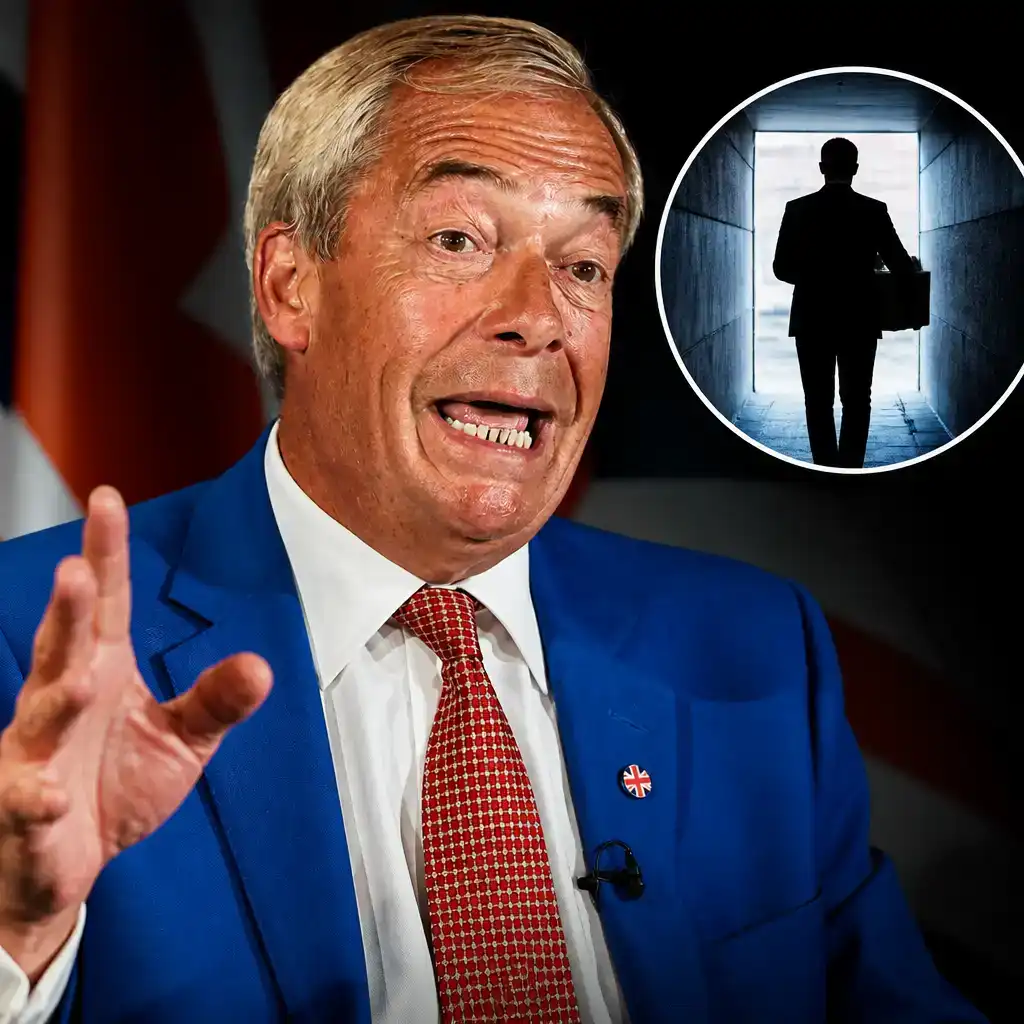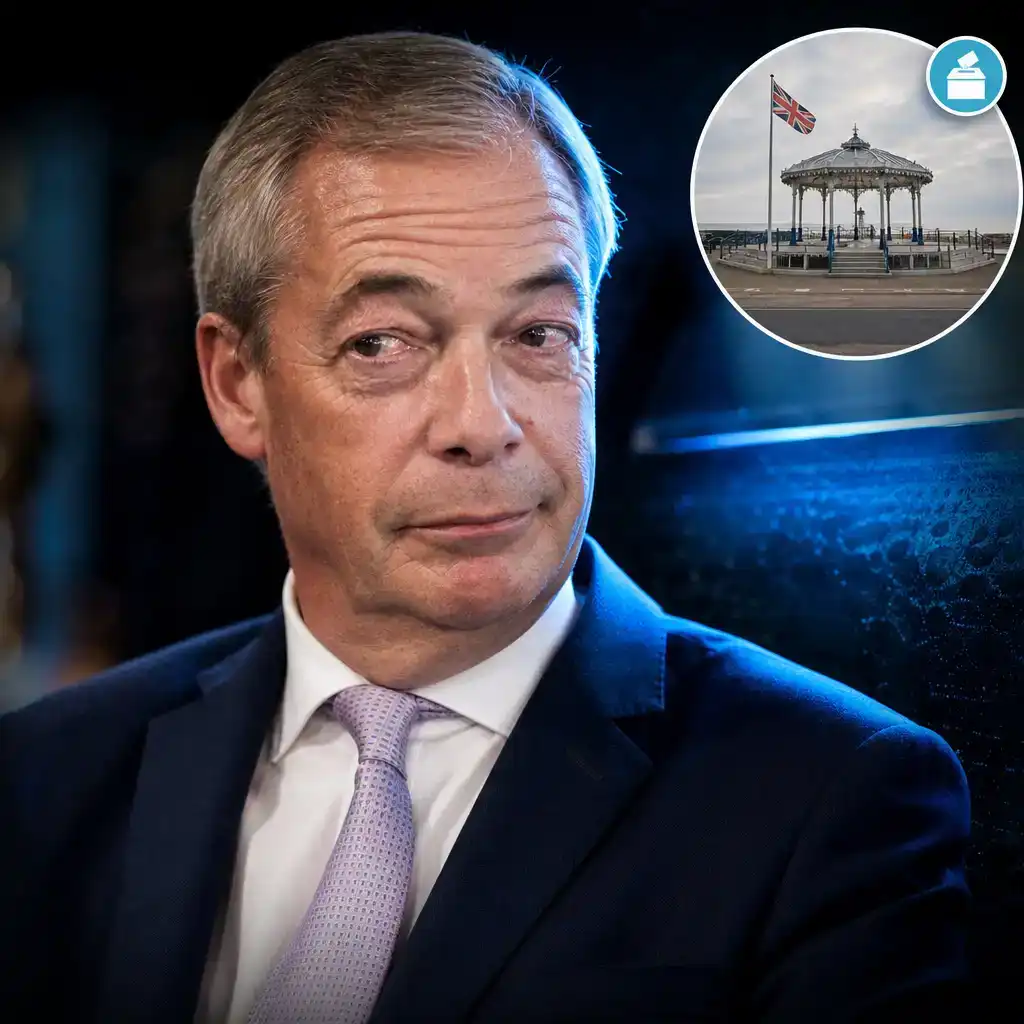
The Farage by-election in Clacton is now Reform UK’s preferred route through a messy political problem: Nigel Farage has resigned as the Essex seat’s MP, denied it is a publicity stunt, and said voters should decide whether he deserves to return.
Farage stepped down on Tuesday after growing scrutiny of his financial support and renewed attention on his financial affairs. Opposition parties have called for Parliament’s standards watchdog to investigate, while a parliamentary process has added to the pressure around him.
In his first BBC interview since resigning, the Reform UK leader said the issue was straightforward enough, at least in his telling.
“The media are judging me to be a dishonest person, so it is only fair to say to the voters, ‘you judge’.”
Reform UK says it wants the by-election held on 6 August.
Why Farage says the contest is legitimate
Farage rejected claims that resigning and immediately seeking re-election was a manufactured spectacle. That view has been pushed by senior figures in other parties, who are not exactly rushing to help give the contest a normal shape.
Labour, the Conservatives, the Liberal Democrats and the Green Party have all said they will not take part in the race for Clacton. Farage argued that their refusal did not make the vote invalid or “fake”.
“They call it a stunt. It’s not a stunt, because real voters will have a vote for an MP,” he said.
He also accused rival parties of being “scared” to face him. That is the political version of declining a fixture and then arguing the scoreboard is meaningless. Subtle, it is not.
What rival parties have said
Foreign Secretary Yvette Cooper accused Farage of staging a “political stunt” and said he wanted to “duck and dive around the rules”. Conservative leader Kemi Badenoch called the move a “gimmick”.
Farage has denied any wrongdoing.
There was also some brief procedural confusion. During his BBC interview, Farage said he was not sure whether he was still technically an MP. Shortly afterwards, Chancellor Rachel Reeves said she had accepted his resignation.
Writing on X, Reeves added: “If he wants to spend the summer arguing with a bin, I won’t stop him,” a reference to Count Binface, who is expected to stand in the by-election.
A formal notice was then published confirming that Farage was no longer an MP.
Who else is standing in Clacton
With the main opposition parties staying out, the ballot is shaping up in a rather different way.
Those who have announced or are expected to stand include:
- Nigel Farage, leader of Reform UK
- Count Binface, the satirical political candidate
- Laurence Fox, the actor-turned-politician from nearby Peldon
- Adham Alkhatip, leader of the Forward Party
Fox announced on Tuesday evening that he would contest the seat against Farage and the other candidates.
The absence of Labour, Conservative, Liberal Democrat and Green candidates changes the usual electoral arithmetic. It does not remove the by-election itself, but it does mean voters will be choosing from a smaller and more unusual field than in a standard parliamentary contest.
What Farage says he has done for Clacton
Asked what he had achieved for Clacton since becoming its MP, Farage pointed to promotion of the town rather than a long legislative list.
“I’ve done my absolute best to put it on the map in terms of tourism and visits,” he said.
He added: “I know the road getting here is a pain but, actually, when you get here you’ve got great beaches.”
If re-elected, Farage said he would prioritise potholes and oppose housing developments that local residents do not want. These are familiar local-campaign issues, though in this case they sit inside a much larger national fight over Reform UK’s position and Farage’s conduct.
He urged voters to back him heavily.
“You give me a big vote and we’ll continue our political revolution,” Farage said.
“If you don’t do it then I think the establishment will just go on and go on working together in an attempt to crush a genuine chance at political change.”
The tactical calculation is clear enough: Farage is trying to turn scrutiny over his finances into a direct mandate from Clacton voters. His opponents, by boycotting the race, are trying not to validate the exercise. The voters who do turn out on 6 August, if Reform gets its preferred date, will decide which move has carried more weight.