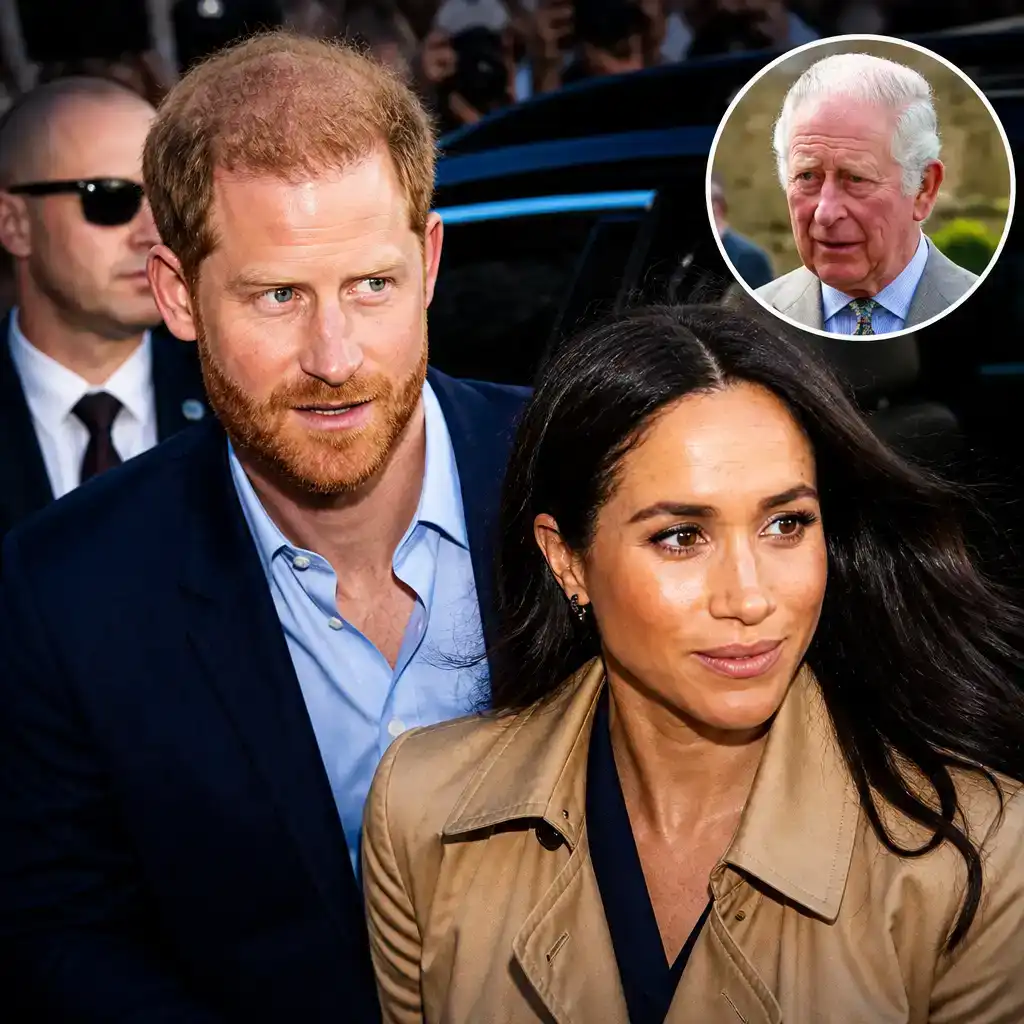
Prince Harry and Meghan Markle’s UK return is real. The claim that a cash shortage forced it is considerably less settled.
The Duke and Duchess of Sussex plan to arrive before the end of the month with Prince Archie, 7, and Princess Lilibet, 5. The children have reportedly been enrolled in British schools for September, and the family expects to remain for an extended period. How long that means, where they will live and who will cover their security costs have not been disclosed.
Page Six cited unnamed sources who said money was at least one factor. The Associated Press, however, found no evidence that cash flow prompted the decision and instead highlighted Harry’s attempts to rebuild relations with his father, King Charles III, who is receiving cancer treatment.
So, yes, finances may be part of the calculation. They are not yet the whole explanation, however convenient that would be for a household-budget version of royal drama.
What is known about the Sussexes’ return?
The family is not coming back to resume life as working royals. The arrangement is an extended stay, not a restoration of the old system of public duties, palace offices and taxpayer-supported ceremony.
Harry has repeatedly said he wants reconciliation with his family. After losing a separate legal challenge over his British security arrangements, he told the BBC in May 2025 that he did not know how long his father had left. A reportedly successful family meeting took place at Highgrove in July, adding to suggestions that relations with Charles were improving.
That meeting may not have produced the return plan. The Telegraph reported that Charles learned about the move only on August 16 and that it was not discussed at Highgrove. Family diplomacy, apparently, still has room for surprise announcements.
The children’s schooling offers a more practical explanation. Archie and Lilibet are expected to begin classes in Britain in September, giving the family an obvious reason to arrive before term starts.
Is money forcing the move?
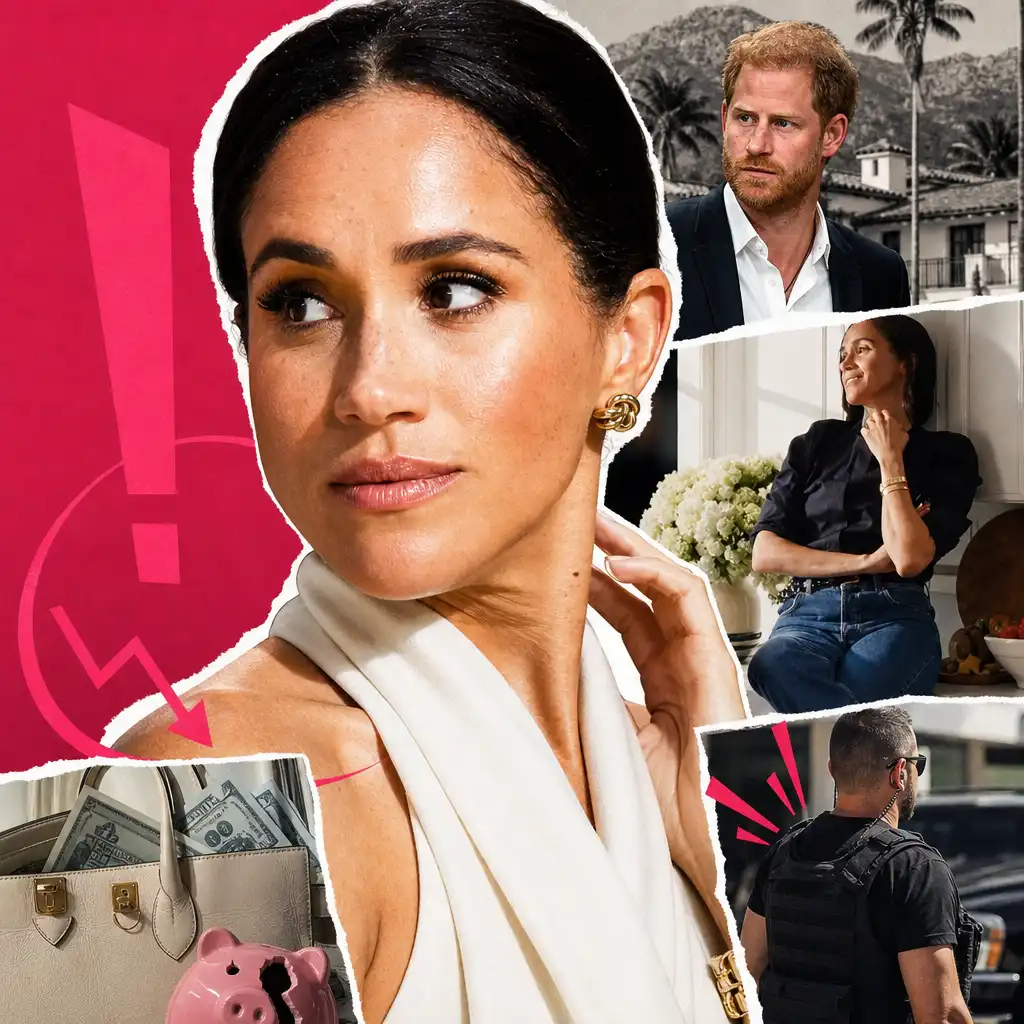
Page Six reported that the couple are not broke but face unusually high annual expenses. One source put it bluntly: “Anything that comes in instantly goes out.”
Those reported costs include:
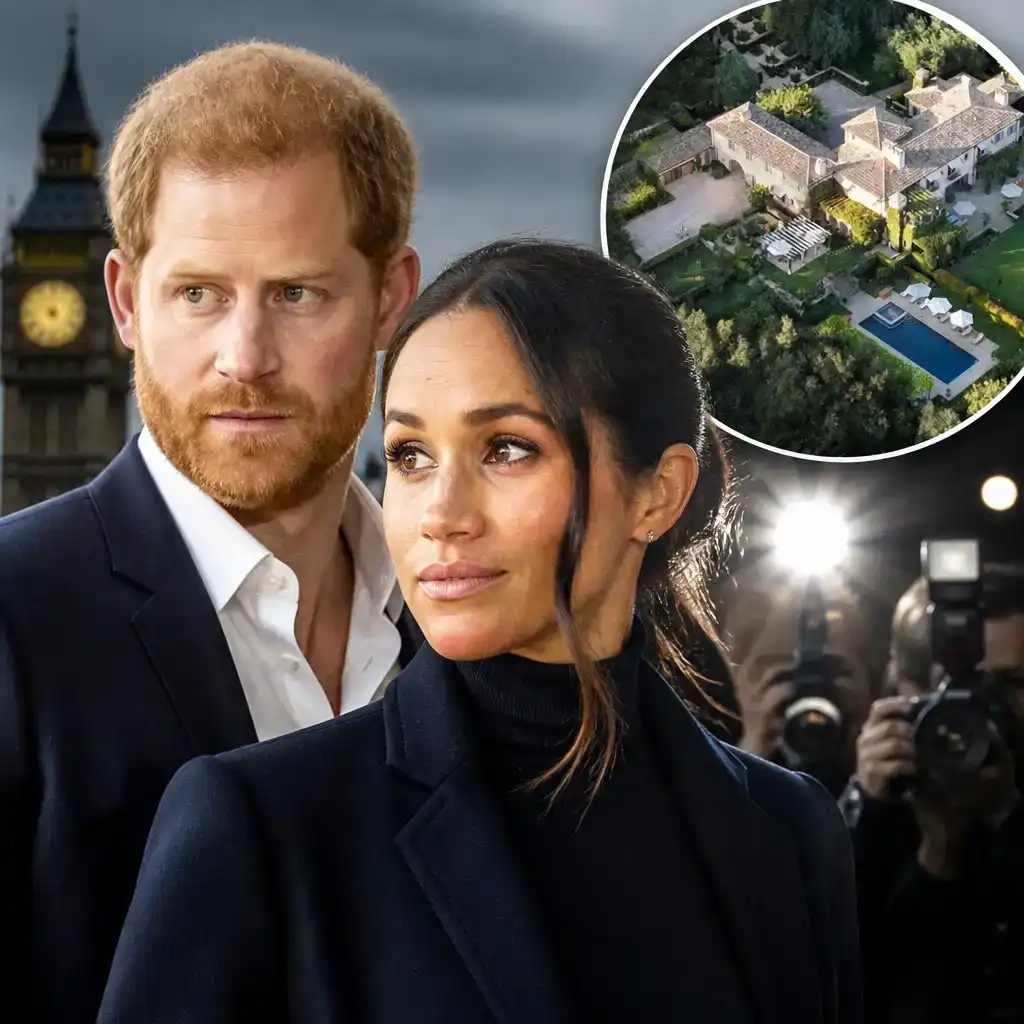
- Two mortgages connected to their $14.5 million home in Montecito, California
- Household employees and professional advisers
- A vacation property in Portugal
- Security expenses estimated at about $3 million a year
- A broader annual cost of living in the United States said to require at least $6 million
The Sussexes have also reduced staffing. They reportedly employ four full-time staff members apart from spokespeople, down from an estimated 17 or 18 at their peak.
None of that proves financial distress. Wealthy people can have large expenses without approaching insolvency, particularly when they own valuable property and have earned tens of millions of dollars. The couple reportedly have no current plan to sell or rent out the Montecito estate.
Former BBC royal correspondent Jennie Bond suggested the move may not be Meghan’s preferred option. “Perhaps Meghan is taking one for the team here,” she told Sky News. That remains interpretation rather than evidence, but it reflects the abruptness of the change.
How large is Harry’s legal bill?
The most immediate financial uncertainty comes from Prince Harry’s failed case against Associated Newspapers, publisher of the Daily Mail. He brought the privacy action alongside six other claimants, including Sir Elton John and Elizabeth Hurley.
Associated Newspapers has claimed roughly £34.5 million in total legal costs. Reuters reported that the publisher sought an immediate payment of about £10 million, while the seven claimants offered £8 million. Collectively, the claimants hold approximately £16 million in legal insurance.
That makes suggestions that Harry personally owes about $2.6 million speculative. No final division of costs among the claimants had been reported, and the court had not fixed Harry’s individual liability.
Mr Justice Matthew Nicklin was due on August 21 to decide the initial payment and whether the remaining costs should be assessed on the more expensive indemnity basis. The Guardian also reported that Associated Newspapers exceeded its approved spending budget by more than £18.6 million, another issue for the court to consider.
Harry called the July 7 judgment a “complete and obvious whitewash.” Associated Newspapers described it as an “overwhelming victory” for its journalists and “for a free press generally.”
Claims that Elton John might help Harry pay his share have not been confirmed. For now, the headline-sized legal bill is real, while Harry’s personal portion remains unknown.
What happened to their media fortune?
Harry and Meghan have earned substantial sums since leaving royal duties in 2020. Their income has included publishing, streaming, podcasting and corporate work, although headline contract values do not necessarily equal money deposited into their personal accounts.
Harry reportedly received a $20 million advance from Penguin Random House for his memoir, Spare. The couple’s Spotify agreement was widely valued at $25 million, but it ended after one season and 12 episodes of Meghan’s Archetypes podcast. Spotify executive and podcaster Bill Simmons subsequently called them “grifters,” ensuring the separation was handled with maximum corporate grace.
Their Netflix contract was initially described as being worth $100 million. Sources later told Page Six that it was closer to $60 million, with a significant portion allocated to production overhead rather than personal income.
The exclusive agreement ended last September and was replaced by a first-look arrangement. Under that structure, the Sussexes must offer projects to Netflix first, but the streamer is not required to buy them. Netflix declined their proposed project Cookie Queens.
Four Archewell Productions projects remain listed in development:
- Adaptations of Major Adam Jowett’s military memoir No Way Out: The Searing True Story of Men Under Siege
- Jasmine Guillory’s romance novel The Wedding Date
- Carley Fortune’s novel Meet Me at the Lake
- A scripted drama set in professional polo
First-look agreements can still cover production-company overhead even when projects do not reach screens. That is useful, though less dramatic than a guaranteed nine-figure payday.
Where does their income come from now?
A source described Meghan as the household’s main earner while Harry concentrates on charitable work. Her As Ever lifestyle company sells products including jam, honey and candles. Sales figures are private, but a source said the business was performing well and could continue operating while she lives in Britain.
The couple have also scaled back their charitable organization. The Archewell Foundation was renamed Archewell Philanthropies and shifted to a fiscal sponsorship model, outsourcing much of its administration after most staff departed. Their remaining American employees are expected to continue working from the United States.
Harry remains involved with several organizations. He founded the sustainable travel nonprofit Travalyst in 2019 and provides unpaid advocacy support. His other major commitments include the Invictus Games and broader work involving wounded military personnel.
He is also still listed as chief impact officer at mental-health company BetterUp. His salary has been rumored to be about $1 million annually, though no public figure has been confirmed. In 2024, the Daily Beast quoted a former employee who said Harry’s daily responsibilities amounted to “zero things.” BetterUp and sources close to Harry maintained that he still worked there.
Why does the security question matter?
The return marks a sharp change from Harry’s previous position. In May 2025, he said he could not imagine bringing Meghan and the children back to Britain without security arrangements he considered adequate.
The family is now preparing to do exactly that, although no details have emerged about who will protect them or who will pay. Their residence is equally unclear. Those unanswered questions make it difficult to calculate whether living in Britain would actually reduce their costs.
The shift could instead reflect several pressures arriving at once: the children reaching school age, Charles’s health, Harry’s reconciliation efforts and a less generous flow of entertainment income than during the first years after leaving royal duties.
Prince William’s response is another unknown. Former BBC correspondent Peter Hunt suggested William could be “apoplectic” about the possibility of competing royal households. The Sussexes’ confirmation that they will not return as working royals may limit that concern, though it is unlikely to eliminate the family tension by administrative decree.
Are Harry and Meghan running out of money?
There is no solid evidence that they are.
Harry inherited substantial wealth from Diana, Princess of Wales. Diana left £6.5 million to each of her sons in trust, and Harry’s share reportedly grew to about £10 million by the time he turned 30. He is also believed to have received inheritances connected to Queen Elizabeth II and Queen Elizabeth the Queen Mother, although exact amounts have not been publicly confirmed.
During his 2021 interview with Oprah Winfrey, Harry said the royal family had “literally cut me off financially” and that Diana’s inheritance made the move to the United States possible. A spokesperson later clarified that he was referring to the first quarter of the palace’s financial year.
Official Clarence House accounts showed that Charles provided a combined £4.5 million, then about $6.3 million, to support the households of both Prince William and Harry between April 2020 and March 2021.
The clearest conclusion is less dramatic than a financial collapse. Harry and Meghan remain wealthy, but their expenses are high, their media agreements are less lucrative than the original headlines suggested, and a major legal bill remains unresolved. Money may have influenced the return, but schooling, security and Charles’s health currently have firmer support as explanations.