Peter Jackson says he does not dislike AI in film, at least when it is treated like any other visual effect. Speaking at a Cannes Film Festival masterclass one day after receiving an Honorary Palme d’Or, the filmmaker offered a measured view of Hollywood’s most radioactive topic, which is about as close as this debate gets to a calm afternoon.
Jackson said artificial intelligence is “going to destroy the world,” but when it comes to moviemaking, he does not see the technology itself as the villain.
“I mean, to me, it’s just a special effect,” Jackson said. “It’s no different from other special effects.”
What Jackson thinks the real AI problem is
Jackson drew a clear line between using technology as a creative tool and using it to exploit performers. He said it is “absolutely critical” that actors’ rights are protected, especially when their likenesses can be replicated and placed into movies without permission.
“If you’re doing an AI duplicate of somebody, like Indiana Jones or anyone else, as long as you’ve licensed the rights off the person who you’re showing, I don’t see the issue,” Jackson said. “It’s when people’s likenesses get stolen and usurped.”
That distinction matters because the industry is still trying to decide where consent, ownership and performance begin and end in an era of digital replicas. Jackson’s view is not that filmmakers should avoid new tools. It is that using someone’s face, body or voice without permission is not innovation. It is just theft with better software.
Why he says the AI debate hurts Andy Serkis
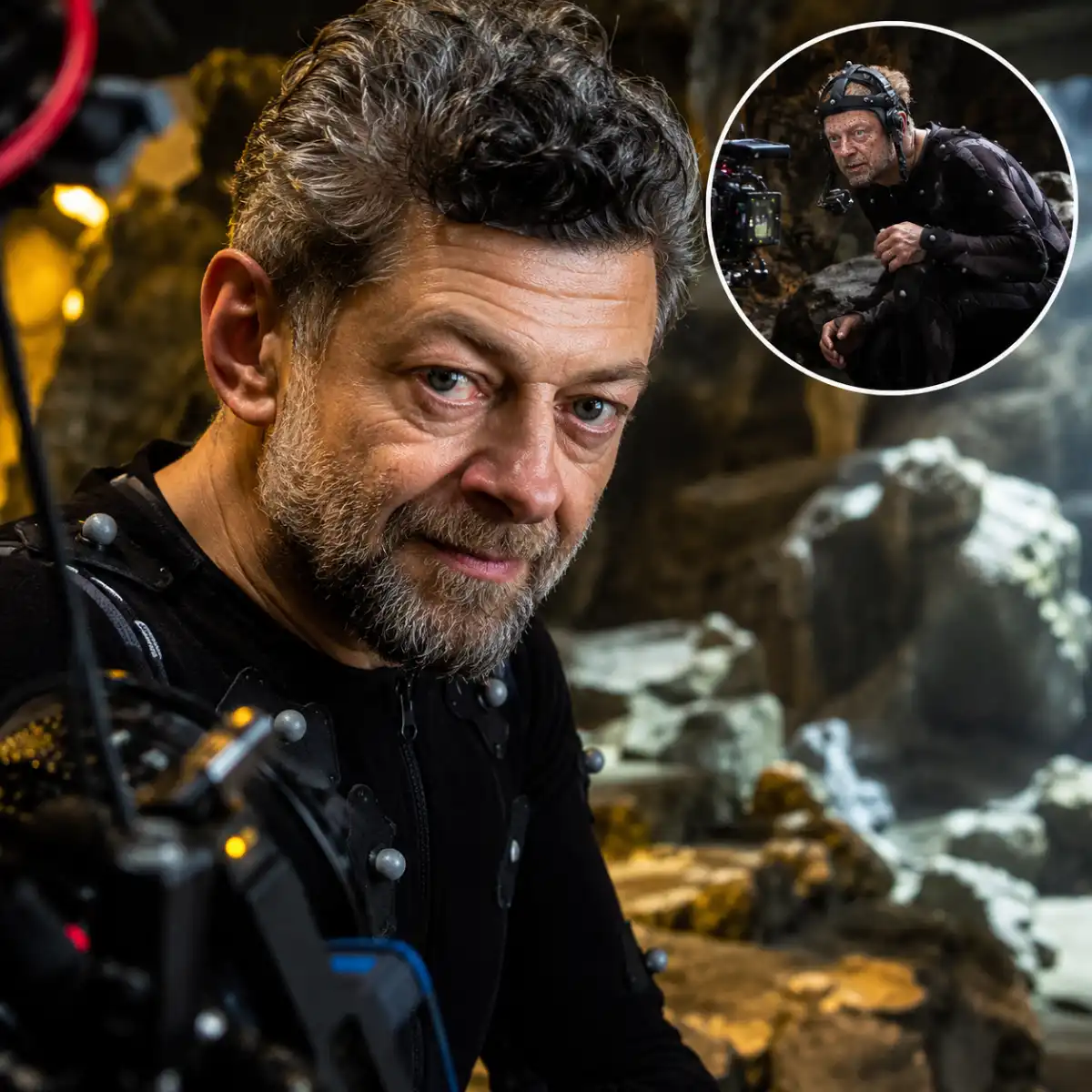
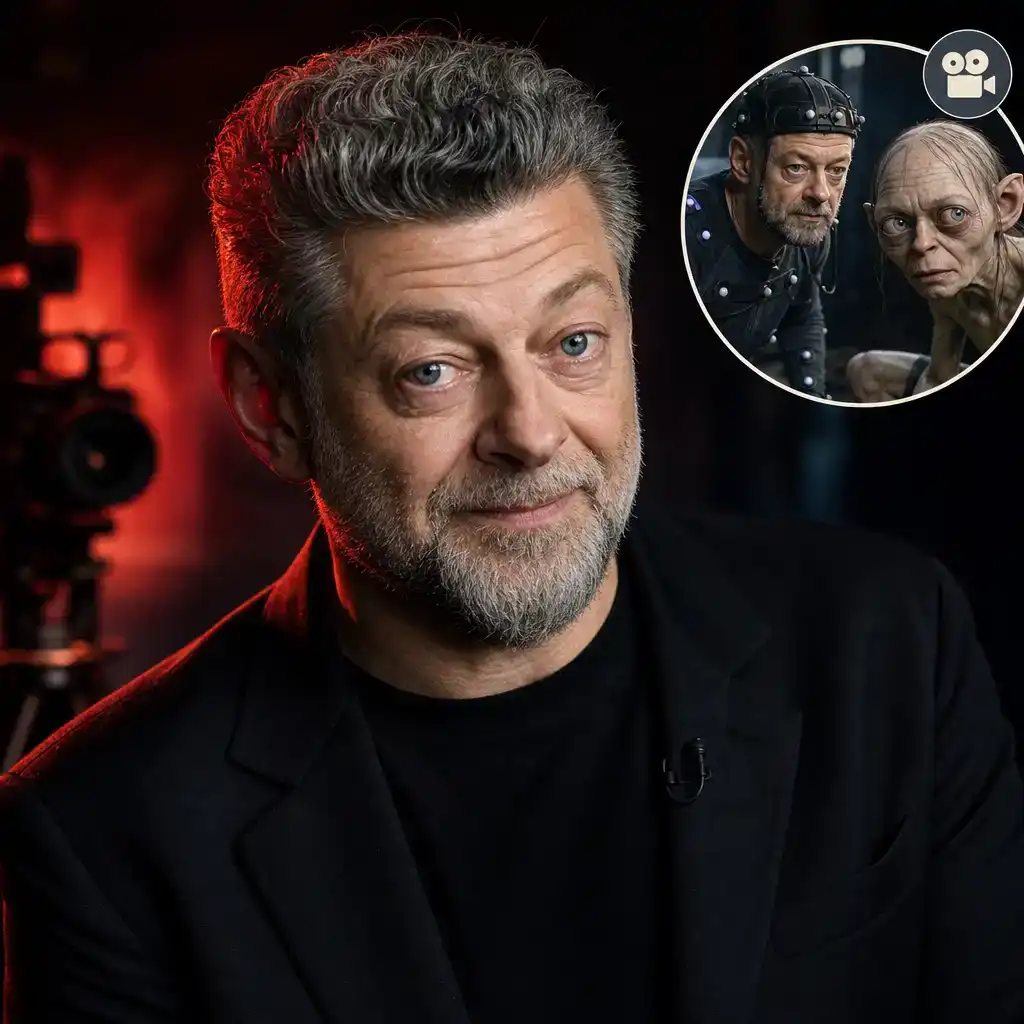
Jackson said the current anxiety around AI has created an unfair cloud over performances built through motion capture, including Andy Serkis’ work as Gollum in “The Lord of the Rings” films.
“A lot of the current environment, everyone’s so worried about AI … I don’t think a Gollum-type character or a generated character has any hope for winning any awards,” he said.
Jackson called that “a bit unfair,” especially in Serkis’ case, because Gollum was not an artificial performance generated by a machine. It was, Jackson said, “a human-generated performance 100% of the way.”
The point is not only technical. Serkis’ Gollum became one of the defining screen characters of the trilogy because the creature’s fragility, bitterness and need all came through a human actor’s choices. The pixels did not do that by themselves, despite what awards bodies have often seemed eager to believe.
Why Andy Serkis is directing “The Hunt for Gollum”
Jackson also discussed the upcoming film “The Hunt for Gollum,” which Serkis is set to direct and star in. Asked why he was not directing the next “Lord of the Rings” movie himself, Jackson said the story made Serkis the natural choice.
“The film is about Gollum’s psychological and addiction,” Jackson said. “I thought, ‘Andy knows this guy better than anybody.’ So I actually I didn’t think much of me [directing the new movie]. I thought the most exciting version of this movie is if Andy Serkis makes it.”
The logic is straightforward. Serkis spent years shaping Gollum from the inside out, not simply lending movement to a digital model. If the new film is focused on the character’s mind and compulsion, Jackson sees Serkis as the person closest to that emotional terrain.
It is also a notable handoff. Jackson remains closely associated with Middle-earth on screen, but his comments suggest he sees this project as stronger when led by the performer who made Gollum feel disturbingly alive in the first place.
Elijah Wood presented Jackson’s Honorary Palme d’Or
Jackson’s masterclass followed his tribute at the Cannes opening ceremony on Tuesday night, where he was presented with an Honorary Palme d’Or by Elijah Wood, who played Frodo Baggins in the “Lord of the Rings” trilogy.
Wood praised Jackson’s impact on cinema and on New Zealand filmmaking in particular.
“You showed the world something it had never seen before, and nothing was ever the same,” Wood told him. He added that Jackson “helped build an entirely new filmmaking culture at the far edge of the world.”
The tribute underlined how unusual the original trilogy’s journey was. Jackson recalled that filming most of the three “Lord of the Rings” movies together was seen as a “huge gamble” at the time. The media called it a “folly,” warning that the costly plan could collapse if the first film failed.
How Cannes helped change the story around “The Lord of the Rings”
Jackson said that perception began to shift at Cannes in 2001, when he screened 20 minutes of footage from “The Fellowship of the Ring.” The reception was enthusiastic enough to change the way people talked about the project.
“It changed the perception of the film,” he said.
That moment now sits neatly beside Jackson’s latest Cannes appearance: the director of a once-questioned fantasy gamble returning to receive one of the festival’s major honors, while still arguing that technology is only as meaningful as the human work behind it.
For Jackson, the issue is not whether digital tools belong in cinema. His own career makes that answer fairly obvious. The harder question is whether the industry can keep recognizing the people inside the technology, especially when the character on screen has blue-gray skin, oversized eyes and a worrying attachment to jewelry.