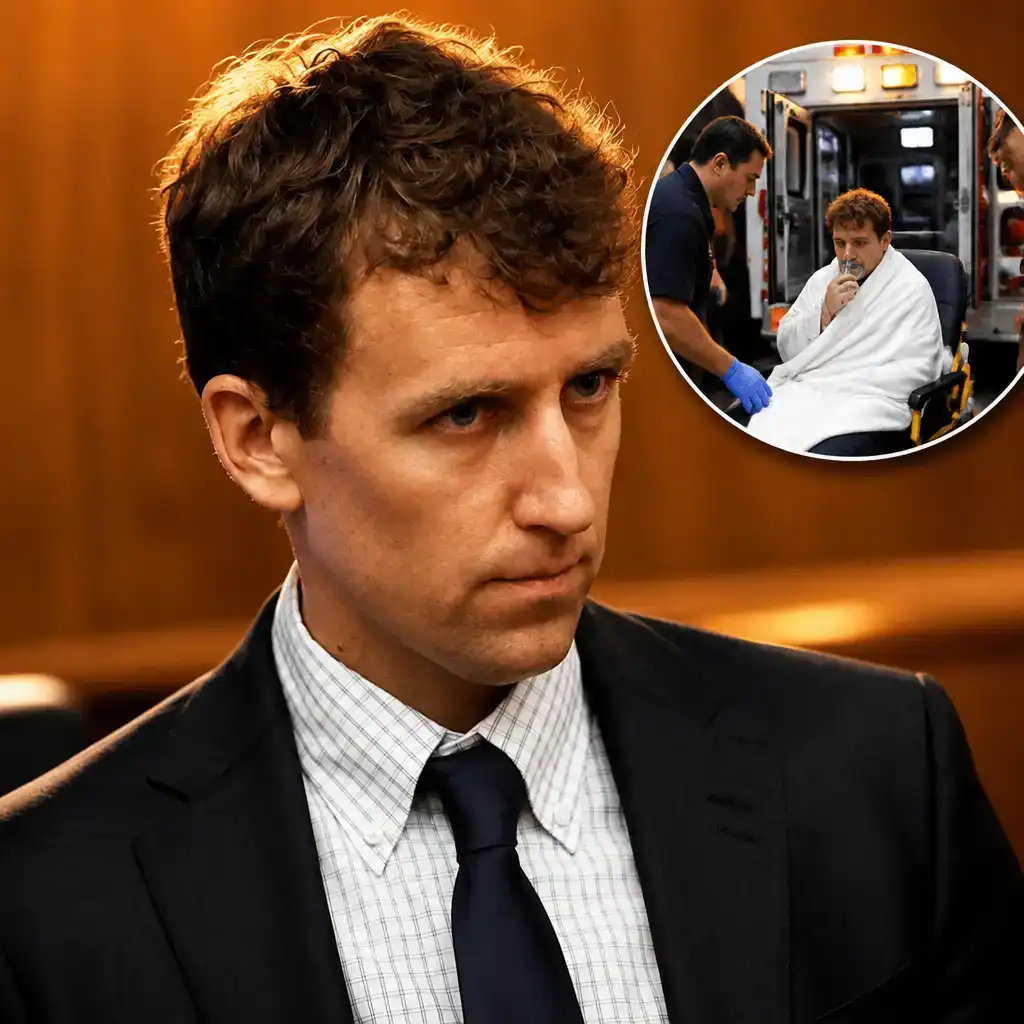
Patrick Clancy’s panic attack during his ex-wife Lindsay Clancy’s murder trial became so severe that he was taken to an ambulance. He still declined medication and returned to finish his testimony, telling 60 Minutes that he wanted the ordeal over.
The software salesman discussed the episode during the programme’s 20 September broadcast, his first public appearance since testifying in the six-week case. The trial concerned the deaths of the former couple’s three children: Cora, 5, Dawson, 3, and Callan, 8 months.
What happened before the 911 call was played?
Clancy said the court paused shortly before jurors heard the emergency call, a piece of evidence he expected to be especially difficult.
“We did take a break right before they played the 911 call, which I knew was gonna be just horrific,” he said. “And I went to a back room, and I started having this massive traumatic panic attack.”
His symptoms quickly became serious enough for medical attention.
“My heart was pounding,” Clancy continued. “They put me in an ambulance. They offered me some medication, but I said, ‘I don’t want it, ’cause I want to go back and I want to finish this, so I can be done with this.’”
He then returned to court and completed his testimony. Few people would describe that as an easy day on the witness stand, and Clancy did not try.
Why did Lindsay Clancy’s trial end without a verdict?
Lindsay Clancy had admitted killing the children, but the trial centred on her legal responsibility at the time. Her lawyer argued that the former labour-and-delivery nurse was experiencing postpartum psychosis and was not in her right mind.
After seven days of deliberations, 11 jurors supported a verdict of not guilty by reason of insanity. One juror disagreed, leaving the panel deadlocked. The judge declared a mistrial on 4 September.
The proceedings also generated several online conspiracy theories, because major criminal cases apparently no longer arrive without an internet subplot. Some posts alleged that Patrick Clancy had been involved in the children’s deaths. He denied any wrongdoing.
His interview marked the first time he had spoken publicly since appearing as a witness at the trial.
Why did the holdout juror reject the insanity verdict?
Michael P. Desronvil, who identified himself as the sole male juror opposing the insanity verdict, later challenged the other jurors’ account of the deliberations.
In a statement to NewsNation on 17 September, Desronvil denied that he had expressed uncertainty about whether Lindsay Clancy was guilty.
“I didn’t have any doubts,” he said. “As I tried to explain different possible theories during deliberation, I kept getting cut off as if I had doubts based on the evidence present.”
Desronvil maintained that the prosecution had presented enough evidence to show Clancy understood and planned her actions. His position had prompted her lawyer to seek his removal from the jury, but he remained on the panel.
“Based on all the physical evidence, key witnesses, and what the prosecution presents,” he said, “I thought it was enough proof that [Clancy] knew exactly what she was doing and planned.”
With the jury unable to reach a unanimous decision, the case concluded in a mistrial rather than a final judgment. The disagreement of one juror was enough to stop the verdict, as the legal system rather firmly requires unanimity rather than a strong majority.