Favignana has spent centuries sitting off Sicily’s western coast, surrounded by clear Mediterranean water and a considerable amount of history. Now, The Odyssey tourism boom is placing the island before a much larger global audience, with early estimates suggesting Christopher Nolan’s epic could eventually generate more than $500 million in visitor revenue.
The largest of Sicily’s three Egadi Islands served as Ithaca, the home of Penelope, Telemachus and the long-absent Odysseus. For local tourism officials, the film offers more than scenic publicity. It could turn audiences’ emotional connection to Homer’s story into plane tickets, hotel bookings and crowded beaches.
Why Christopher Nolan chose Favignana as Ithaca
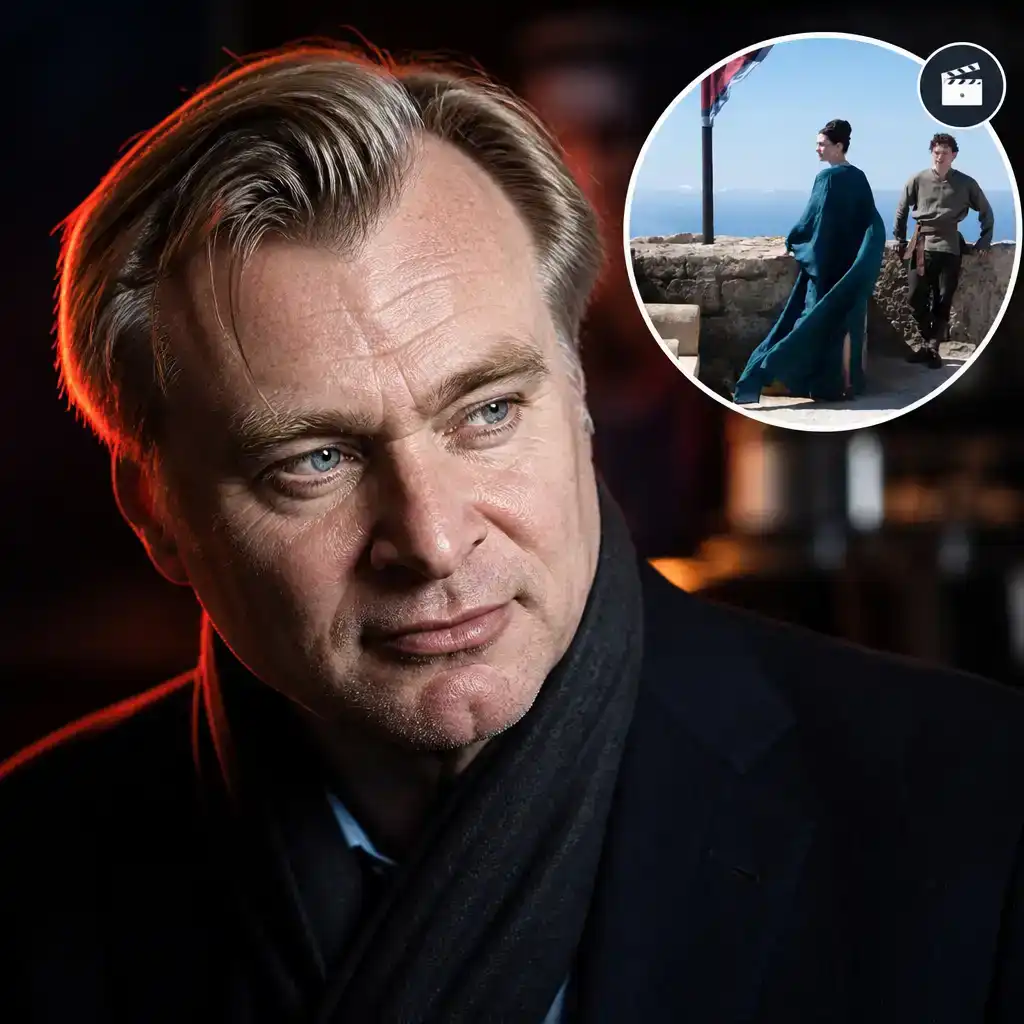
Nolan and production designer Ruth De Jong found the heart of their Ithaca at Castello di Santa Caterina, a 15th-century fortress above Favignana. The castle stands on Monte Santa Caterina, a steep, rocky hill overlooking the countryside and Mediterranean Sea.
“It was just the most epic landscape, where you could see the water everywhere you were and the ships [used for filming] could pull up,” De Jong said in the film’s production notes.
The setting gave the production a practical coastline and the visual scale required for a story that has survived roughly 2,800 years. It also provided a convincing home for a king whose return carries much of the epic’s emotional weight.
De Jong and her team built the isolated pig farm and modest hut belonging to Eumaeus, the loyal swineherd played by John Leguizamo. In Homer’s story, Odysseus goes there after reaching home disguised as a beggar, allowing him to plan his response to the suitors pursuing Penelope.
Filming also took place around Favignana’s beaches and coves, as well as on Preveto, a small nearby islet.
How the film began driving tourism
When the trailer arrived in May, two months before the film’s theatrical release, Favignana was quickly promoted as a screen destination. Accommodation listings highlighted their proximity to landscapes associated with the production, including Airbnb advertisements inviting visitors to explore places that shaped the film’s atmosphere.
Nicola Tarantino, head of the Sicilia Film Commission, said he expects a substantial rise in overseas visitors, particularly from the United States. Sicily has seen this pattern before, though not necessarily on the same projected scale.
The second season of HBO’s The White Lotus, filmed in 2022 in the resort town of Taormina, delivered a major tourism boost. Estimates reported by Italian newspaper La Repubblica put the resulting revenue for Taormina at €138 million, or about $158 million.
Italian media have already given the new surge the inevitable label of the “Nolan effect.” Favignana is expected to earn roughly $287 million from film-inspired tourism over the next three years, according to initial estimates. In the longer term, the total could exceed $500 million.
These remain projections rather than money already collected, but the scale shows what officials believe a major film can do for a relatively small destination.
Sicily has already seen celebrity attention pay
Favignana is not the only Sicilian destination receiving a financial lift from global entertainment coverage. Dua Lipa and Callum Turner’s June wedding in Palermo spread widely online and produced an immediate estimated return of $17 million for the Sicilian capital.
Tourism consultancy JFC placed the broader value at approximately $300 million, including future revenue linked to international exposure and the increased valuation of Palermo’s destination brand. Apparently, even a wedding guest list can function as an economic development plan.
For The Odyssey, however, Sicily’s appeal goes beyond modern celebrity visibility. Scholars have long connected the island with locations encountered during Odysseus’ travels in the poem, which Homer is believed to have composed around the eighth century BCE.
Tarantino said Nolan’s decision to work in authentic environments that could help tell the story was especially important. He described Sicily as a genuine protagonist in the production, arguing that Nolan’s images would place its landscapes and cultural heritage in the minds of millions of viewers.
That distinction matters for audiences. Favignana is not merely being sold as a picturesque backdrop. Its geography helps connect the modern film to a story already embedded in Mediterranean history and culture.
Italian audiences have embraced the epic
Italy has also delivered one of the film’s strongest theatrical performances. According to NBCUniversal figures, The Odyssey has earned $35.6 million in Italian cinemas, making Italy its fourth-highest-grossing market worldwide.
Only three territories have produced larger totals:
- United States and Canada: $334 million
- United Kingdom and Ireland: $56 million
- France: $37.9 million
- Italy: $35.6 million
Massimo Proietti, general manager for Universal Pictures International in Italy, told the Cineguru podcast that the story belongs to Italian cultural life, even when audiences may not consciously recognize how deeply it has shaped their education.
“It’s an extraordinary film that is part of our life and our culture, even though we may not realize it,” Proietti said. “It’s been part of the canon that we grew up with.”
That familiarity helps explain the unusually strong Italian turnout. Viewers are not only encountering an expensive new spectacle. They are revisiting a foundational story through landscapes that feel geographically and culturally close.
For Favignana, that connection may be the most valuable result. Nolan’s film has transformed familiar cliffs, coves and historic buildings into places audiences may now want to see for themselves. If the forecasts hold, Odysseus’ long journey home will send a great many other travelers in the same direction.