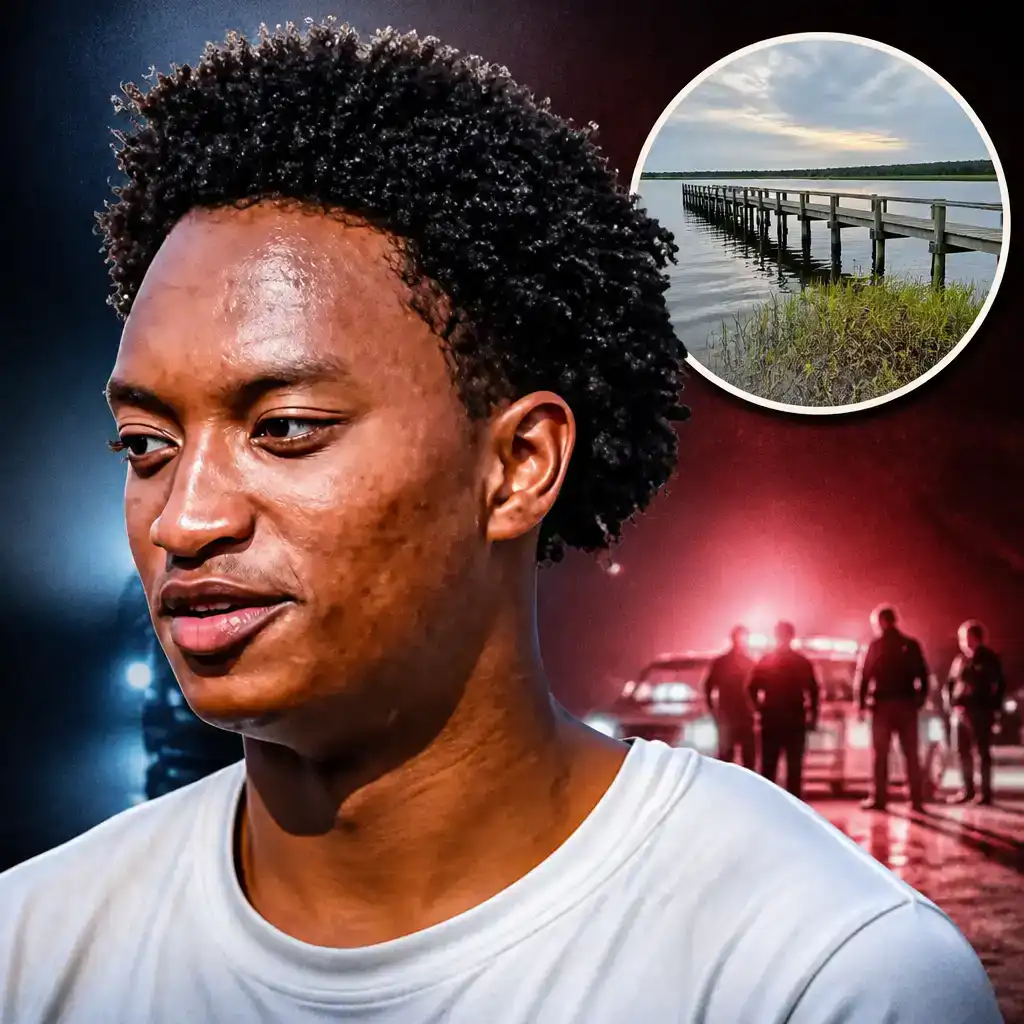
The Nolan Wells death investigation has ended without criminal charges after a Mississippi grand jury unanimously found no probable cause to indict anyone. That settles the legal question for prosecutors. The medical question remains considerably less cooperative: both the state’s chief medical examiner and the family’s independent pathologist classified the 18-year-old’s cause and manner of death as undetermined.
The grand jury concluded that the location, condition and position of Wells’ body were consistent with accidental drowning. It did not find that an autopsy had definitively proved drowning, a distinction that became blurred in some early reports.
Why did the grand jury decline to bring charges?
The 23-member panel, made up of 13 men and 10 women, returned a unanimous “no true bill,” meaning it found insufficient evidence to charge anyone in Wells’ death.
This was not a brief review. According to WXXV and WLOX, investigators issued 132 subpoenas, called 43 witnesses and examined:
- Physical evidence
- Cellphone extractions
- GPS and location records
- Surveillance footage
- Photographs and videos
- Maps, interviews and recorded statements
The panel had originally been impaneled on April 20 as Jackson County’s regular grand jury, before Wells died. It reconvened from September 14 to September 18 specifically to consider the investigation.
Jackson County District Attorney Angel Myers McIlrath said there was “absolutely no evidence” that Wells’ death resulted from criminal conduct or was racially motivated. She also said a grand jury’s responsibility includes not only prosecuting guilty people, but exonerating those who have been falsely accused.
The grand-jury report described allegations against the young people who accompanied Wells as products of “public clamor and private malice.” Direct, if not especially subtle.
What happened during the Horn Island trip?
Wells travelled with friends to Horn Island on July 4. Members of the group said they tried to persuade him to leave at about 4:30 p.m., but he refused. The boat on which he had arrived departed at 4:31 p.m.
The United Cajun Navy later reviewed photographs, videos, coordinates and witness accounts. Its report placed Wells’ last confirmed sighting sometime between 3:23 p.m. and 4:27 p.m., leaving uncertainty around his final minutes on the island.
ABC News subsequently reported that a previously undisclosed witness told the grand jury Wells had been seen to “slip awkwardly off the side of a boat” around the time he was last observed. The witness could not say whether Wells actually entered the water. Even so, the testimony gave investigators another possible explanation for how he may have disappeared without anyone immediately raising an alarm.
Wells was reported missing that night. Search crews recovered his body on July 6 near the Horn Island shoreline and close to the area where he had last been seen alive. Mississippi authorities performed the state autopsy the following day.
What did the autopsies actually determine?
The state chief medical examiner classified both the cause and manner of Wells’ death as undetermined, according to WLOX and the Mississippi Free Press. The family’s independent pathologist reached the same classification pending further investigation.
The grand jury found that drowning remained consistent with the evidence and had not been excluded. Its report cited the position and condition of the body, the time it was discovered and its location. That amounts to a plausible explanation, not a conclusive medical finding.
The state examination identified bruising on the back of Wells’ head but did not consider it fatal. Testing also found no cocaine in his system, contrary to rumors circulated after his disappearance.
Wells’ family hired civil rights attorney Ben Crump and arranged the separate autopsy after questioning the initial drowning explanation. The independent examiner documented a large area of red discoloration at the back of Wells’ head that could have indicated an injury.
Crump said the independent pathologist did not receive all of Wells’ organs, including his throat and lungs, or the state autopsy photographs needed to assess the circumstances in which he entered the water. His team also retained audio specialists to study a Sea Tow call made after one of the group’s boats began taking on water, while ocean engineering experts examined tides and the location where Wells was found.
What evidence was there of a crime?
Authorities said from the early stages of the case that they had found no evidence of foul play. The grand jury ultimately agreed after reviewing the broader record.
WLOX also reported that the Wells family’s own legal team found no evidence of criminal activity to refer to prosecutors. That does not answer every question about Wells’ final hours, but it substantially weakens claims that another person caused his death.
Attorney Edward Andrew Paltzik, who represents Wells’ friends Warren Hudson, Jax Pitalo and Morgan Seymour, welcomed the decision. “We said it all along: Warren Hudson, Jax Pitalo, and Morgan Seymour were always completely innocent,” he said, adding that there had “never been any doubt.”
McIlrath said outsiders and social media figures had tried to exploit the case to divide the community. Her criticism reflected the grand jury’s broader rejection of accusations that investigators said were unsupported by credible evidence.
What remains unresolved?
No indictment means prosecutors found no probable criminal case. It does not mean the precise sequence of events has been medically established.
Before the grand jury decision, Wells’ mother, Christine Wonsley, told the Associated Press: “We just want to know what happened and why our baby didn’t come home.” That basic question remains only partly answered.
The available evidence supports the possibility that Wells accidentally entered the water and drowned. Investigators found no credible indication of an assault, a racially motivated act or another crime. Yet neither autopsy conclusively determined the cause or manner of death, and the witness who saw him slip could not confirm that he fell overboard.
As of September 22, neither the Wells family nor Ben Crump had issued a public response to the grand jury’s decision. The family had previously said it would continue seeking answers about Wells’ final hours. The criminal inquiry may be closed, but certainty has proved harder to obtain.