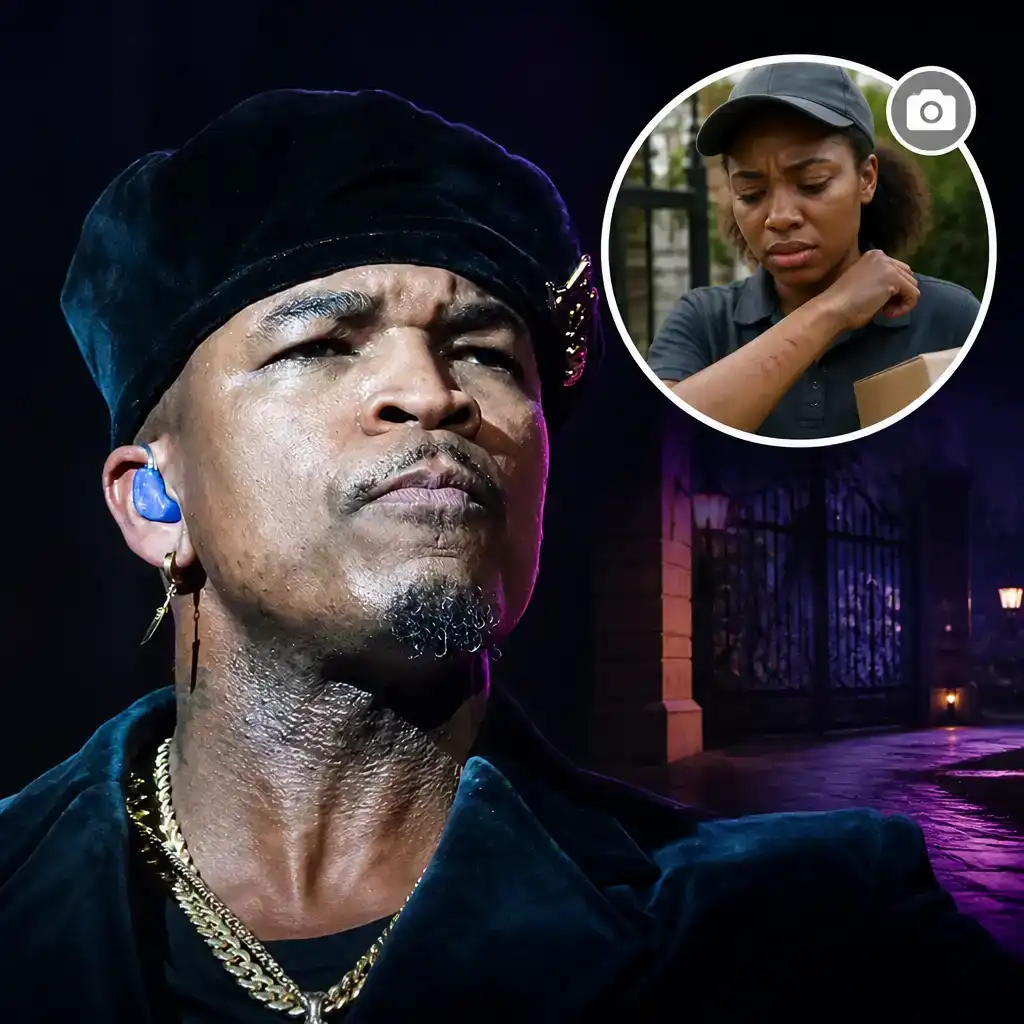
The Ne-Yo dog attack lawsuit centers on a delivery visit to the singer’s Georgia residence and a basic legal question that may prove more complicated than it sounds: who owned, kept or controlled the animal?
Dominique Bridgett alleges she was lawfully delivering a package on or around July 12, 2025, when a dog on the property attacked her. According to TMZ, she is suing Ne-Yo, whose legal name is Shaffer Smith, for medical expenses and additional damages.
Bridgett claims the incident caused “severe bodily injury, pain, shock, and distress.” She says her injury-related medical treatment has already cost $9,039.50.
No description of the dog, delivery company, exact location or specific injuries was reported. No witness, lawyer or animal-control official was quoted, and the court filing has not been independently reported elsewhere.
What does Dominique Bridgett allege?
Bridgett’s case, as reported, is straightforward at the allegation stage. She says she had permission to be on the property because she was making a delivery, did not provoke the animal and suffered serious injuries during the attack.
She argues Ne-Yo is legally responsible for the resulting costs and harm. The requested damages include her stated medical bills, along with additional compensation that has not been publicly detailed.
Ne-Yo had not responded to TMZ’s request for comment when the report was published on August 6, 2026. Searches found no later public response from the singer or a named representative. The allegations also have not been independently corroborated or contradicted by another outlet.
That leaves several important facts unresolved, including whether Ne-Yo owned the dog, whether he or another resident controlled it, how the animal was being restrained and whether there was any known history of aggression. Those details are not decorative legal paperwork. Under Georgia law, they could determine whether the claim succeeds.
How does Georgia dog liability work?
Georgia Code §51-2-7 allows an owner or keeper of a vicious or dangerous animal to be held liable when careless management, or allowing the animal to roam, injures someone who did not provoke it.
Unlike legal systems that impose liability largely because a bite occurred, Georgia cases can require closer examination of the animal’s known dangerous tendencies and the defendant’s control over it. A claimant may seek to establish dangerous propensity through evidence of previous aggression. A violation of a local rule requiring a dog to be leashed or kept at heel can also matter if the animal was not properly restrained.
The phrase “owner or keeper” is especially relevant here. In the 2025 Georgia Court of Appeals case Steusloff v. Finelli, judges examined whether residents who did not formally own a dog could still be treated as its keepers because they exercised control over it. That case also involved a visitor attacked while dropping off mail, making the underlying liability question unusually similar, even though the available reporting does not establish that the facts are otherwise the same.
For Bridgett, the practical issues may therefore include:
- Who legally owned the dog
- Who controlled or supervised it at the residence
- Whether applicable restraint rules were followed
- Whether anyone knew of previous dangerous behavior
In other words, proving an attack allegedly happened may be only the first part of the case.
Why the Chris Brown case is different
TMZ compared Bridgett’s lawsuit with the case brought against Chris Brown by former housekeeper Maria Avila. The comparison is understandable because both involve music stars, residential properties and alleged dog attacks. Legally, however, geography matters.
A Southern California jury awarded Avila $12.9 million after Brown’s Caucasian shepherd, Hades, attacked her at his Tarzana home in 2020. The Guardian and Scripps News reported that the jury also awarded $885,000 to Avila’s sister and $50,000 to Avila’s husband, pushing the combined verdict above the amount awarded to Avila alone.
Avila later sought access to money Brown was earning from his tour with Usher, according to TMZ. But that verdict followed a completed trial with evidence presented to a jury. Bridgett’s claim against Ne-Yo remains at the lawsuit stage, with no reported ruling, response or independently available details beyond the initial allegations.
For now, the case is less about a headline-sized damages figure and more about evidence: whose dog it was, who controlled it and what precautions were taken before Bridgett arrived with the package.