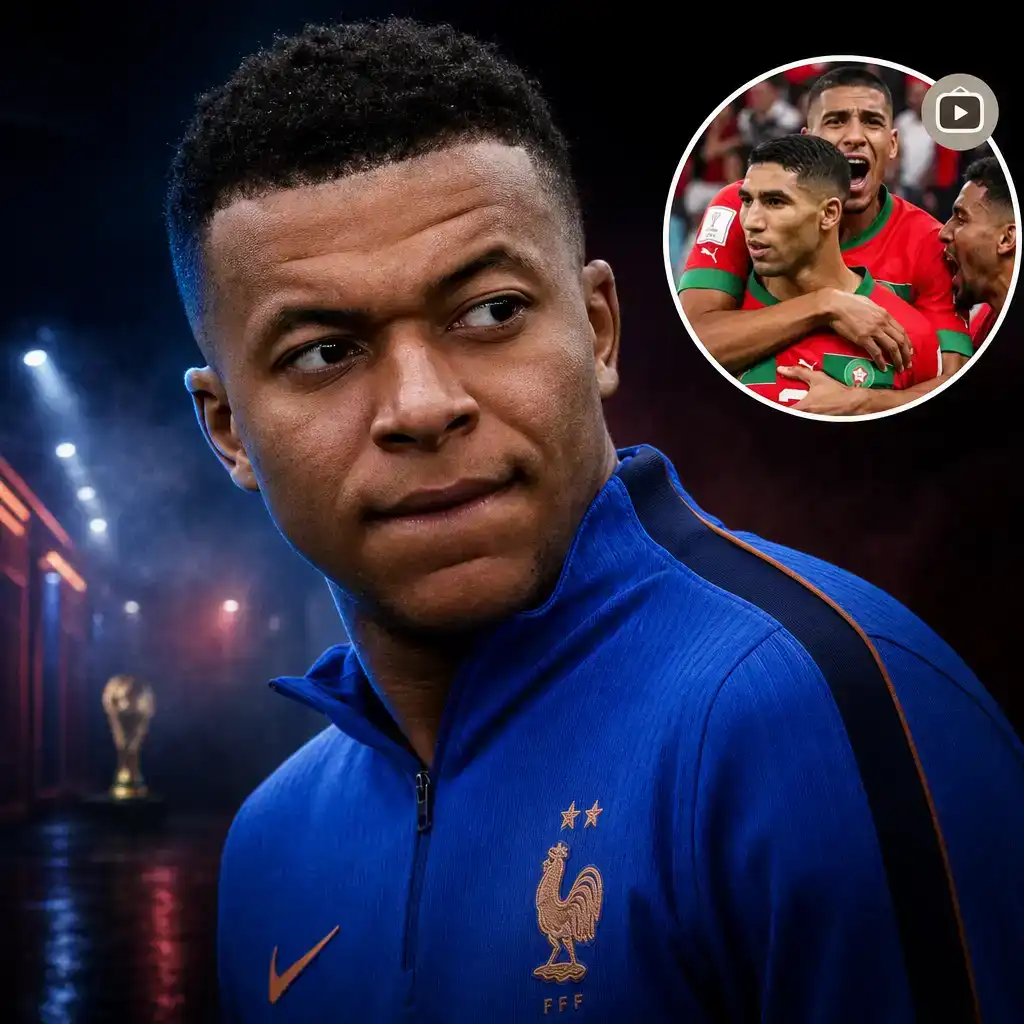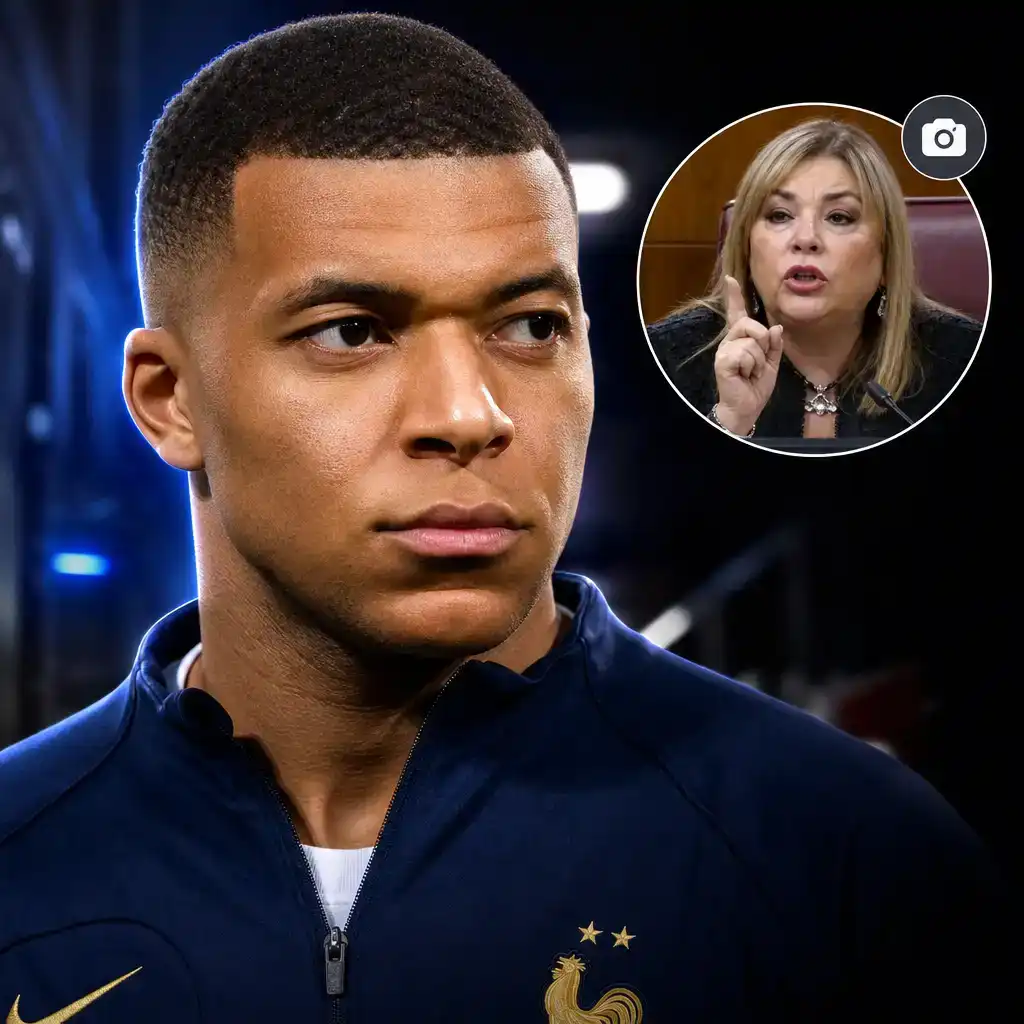
Kylian Mbappe has publicly condemned Amarilla’s racist remarks after Paraguayan senator Celeste Amarilla targeted him following France’s 1-0 World Cup round-of-16 win over Paraguay.
The France captain scored the decisive penalty in Saturday’s match, ending Paraguay’s run in the tournament. Amarilla, a senator from the Authentic Radical Liberal Party, then posted a series of comments on X aimed at Mbappe, mocking his Cameroonian heritage, upbringing, appearance and education.
Football has seen this pattern before: a major match ends, a Black player becomes the focus, and someone with a platform decides that racism is commentary. The platform, in this case, belonged to an elected official.
What did Celeste Amarilla say after Paraguay’s defeat?
Amarilla’s posts were published after Paraguay lost 0-1 to France in the knockout stage. The French side advanced through Mbappe’s penalty, and the Paraguayan senator responded by directing several personal attacks at him on X.
The posts prompted backlash, including from Mbappe himself and from French political figures. By late Monday, Amarilla had published an open letter in French and Spanish addressed to the striker.
In that letter, she said she had deleted the posts and regretted using “the same insults” she said she had received as a mixed-race person. The apology, such as it was, ended there.
She also accused Mbappe of “gender-based violence” over his response to her remarks, demanded an apology from him, and threatened legal action. It is a hard pivot to pull off: admitting deleted insults while claiming to be the injured party. Amarilla tried it anyway.
The episode also followed comments made before the match by former Paraguay goalkeeper Jose Luis Chilavert, who referred to the French national team as “a squad from Africa”.
How did Kylian Mbappe respond?
Mbappe responded early Monday in a post on Twitter, using Amarilla’s photo and naming her directly.
“Madame Celeste Amarilla, you are a despicable woman and unworthy of your position,” he wrote.
He continued by separating Amarilla’s comments from Paraguay’s players and supporters, arguing that her remarks had overshadowed the team’s tournament.
“You do not represent Paraguay, that country which has sweated passion and honor throughout the competition. Through your recklessness and your brazen racism, the entire world has already forgotten the journey and the historic effort that your players accomplished during this World Cup, making way for an incompetent woman who gives the worst possible image of her country. I will never allow people like her the freedom to spread their hatred and racism across the world,” Mbappe added.
The post drew hundreds of replies from Mbappe’s supporters, many of them also criticizing Amarilla. The internet did what it usually does, this time with a clearer moral target.
Which French officials backed Mbappe?
French politicians quickly came out in support of the national team captain and condemned Amarilla’s remarks.
President Emmanuel Macron, who was visiting Syria, wrote on X: “One more goal for Kylian Mbappé. This time against racism.” He added that Mbappe had his “full support”.
French Sports Minister Marina Ferrari also responded on X, saying: “By targeting Kylian Mbappé, the senator is attacking everything our captain embodies and everything our country stands for: liberty, equality and fraternity.”
France assistant coach Guy Stephan gave a shorter assessment: “In three words, it’s indignant, abject, scandalous.”
The political response matters because Amarilla is not merely a fan posting after a loss. She is a national lawmaker. That does not make online racism any smarter, but it does make it more consequential.
Why does this fit a wider pattern in football?
Racist abuse in football is not confined to one country, one league, or one tournament. Players of African descent have repeatedly been targeted by fans, rival players, and public figures. Social media has widened the reach of that abuse, allowing incidents that once stayed inside stadiums to spread instantly and globally.
The familiar cycle is abuse, condemnation, investigations, occasional sanctions, and then another incident.
- Dani Alves: In 2014, during a La Liga match in Spain, a fan threw a banana at the Afro-Brazilian defender. Alves picked it up, ate it, and carried on playing. The fan faced major backlash, and the incident helped trigger an anti-racism campaign on social media.
- Romelu Lukaku: The Belgian striker, now with SSC Napoli in Italy’s Serie A, has faced repeated racist abuse during his career. In April 2023, while playing for Inter Milan against Juventus, sections of the crowd directed hostile chants and monkey noises at him. Lukaku was initially suspended after celebrating a late penalty by putting a finger to his lips, with the referee saying he had “provoked” the crowd. The suspension was later overturned, and Juventus received a partial stadium ban.
- Vinicius Junior: In May 2023, the Real Madrid and Brazil forward confronted fans who racially abused him at Valencia’s Mestalla Stadium. That case led to historic criminal convictions and eventual prison sentences. It was not an isolated incident. A black mannequin wearing his shirt was once hung from a bridge. In February 2026, he reported a racial slur during a Champions League match from Benfica’s Gianluca Prestianni, leading to a 10-minute stoppage. Prestianni denied the allegation, while Vinicius’s teammates, including Mbappe, backed him. Prestianni later received a six-game ban after investigations for making a homophobic slur. The incident also contributed to a new International Football Association Board policy before the World Cup: players who cover their mouths when speaking to opponents now face a red card.
- Bukayo Saka, Marcus Rashford and Jadon Sancho: The England players, all of Caribbean or African descent, were subjected to intense racist abuse online after missing penalties in the UEFA Euro 2020 final against Italy. British authorities investigated, and at least 11 people were arrested.
What happens next?
Amarilla has deleted her posts, issued an open letter, accused Mbappe of misconduct in his response, and threatened legal action. Mbappe has not withdrawn his criticism. French officials have publicly supported him.
There is no reported disciplinary process in Paraguay tied to Amarilla’s remarks, and no confirmed legal filing from her side. For now, the record is clear: a senator posted racist comments after a World Cup defeat, the player she targeted answered publicly, and the backlash went international.
Football authorities and governments often speak forcefully about racism after high-profile incidents. The harder test is whether those statements produce enforceable consequences. In this case, that question remains open.