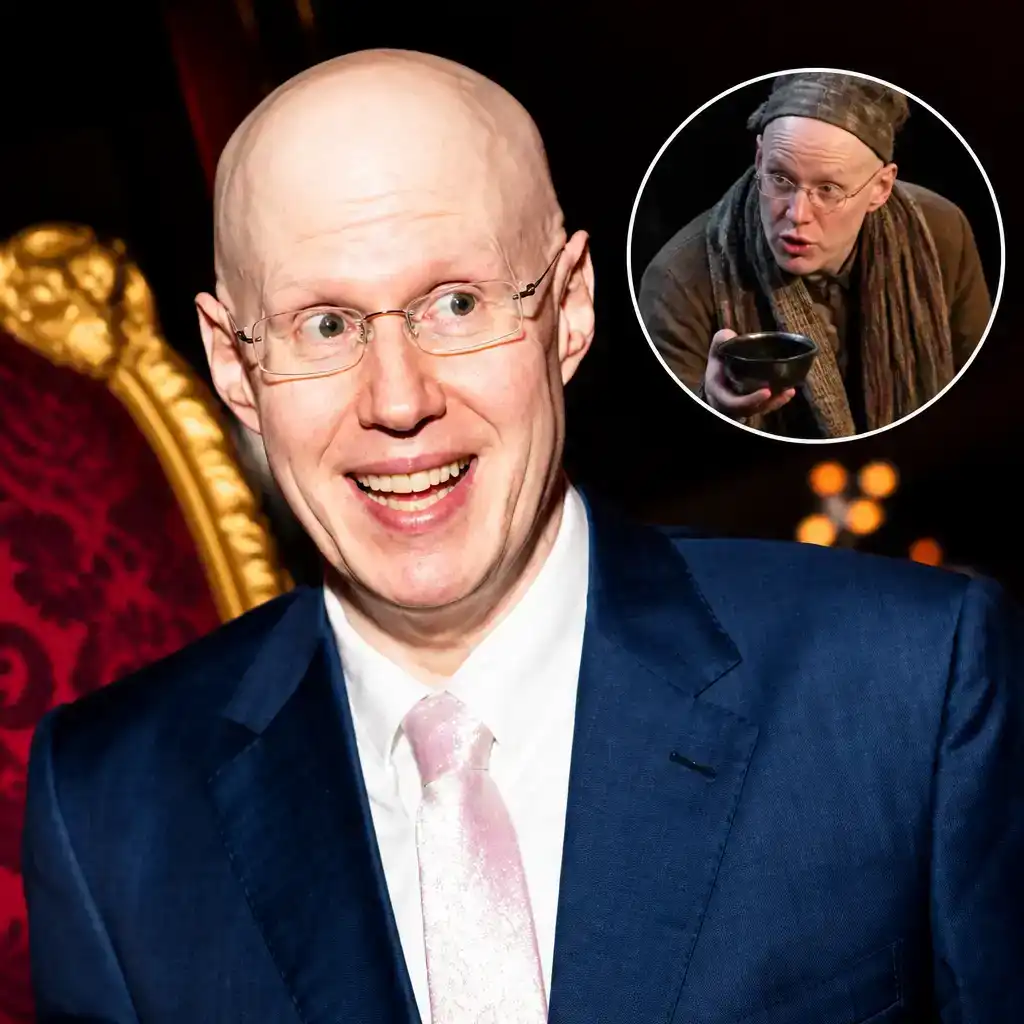
Matt Lucas has spoken about his autism diagnosis, explaining that he needs quiet periods to recover after being sociable. The 52-year-old actor and comedian discussed being autistic with Romesh Ranganathan on BBC Radio 2, although he did not say when he was assessed or diagnosed.
The conversation aired on August 29, as Lucas prepared for a busy return to television and the West End. Apparently, six theatre performances a week and a new series of Taskmaster still leave room for a candid radio interview.
What did Matt Lucas say about being autistic?
“I’ve never, ever spoken about this publicly, but I’m autistic,” Lucas told Ranganathan.
He said autism affects the balance he seeks between social activity and time alone. Theatre gives him sustained contact with colleagues and audiences, while writing lets him work by himself.
“So I enjoy periods of being very sociable, like you are in the theatre, and then I also enjoy those periods of solitude where I can just write on my own,” he said.
Ranganathan asked whether Lucas felt he needed to recharge after moving between those settings. Lucas agreed, explaining that he generally avoids seeing people on his day off during a theatre run.
“Apart from resting and resting my voice and all of that, on my day off I like not to see people and give them a break from me,” he said, adding that “recharge time is quite important to me.”
Lucas did not describe the diagnostic process or provide a date. One secondary report claimed he was diagnosed as a child, but neither the BBC programme description nor his recorded comments established that detail.
Was this his first public disclosure?
The timing is slightly more complicated than some reports suggested. The BBC Radio 2 interview was broadcast on August 29, making it the earliest identified public statement in the available coverage.
Lucas then described himself as autistic in a promotional Taskmaster interview released on August 31. In that video, he also said he has ADHD. Several news reports appeared on September 3 and 4, by which point the disclosure had already been public twice. The news cycle was simply taking the scenic route.
His comments arrived during a concentrated period of work. Series 22 of Channel 4’s Taskmaster, featuring Lucas, premiered on September 3. He was also preparing to play Fagin in Oliver! at London’s Gielgud Theatre from September 22 until November 1.
Lucas rose to prominence through Little Britain alongside David Walliams and has since worked across television, film, radio and theatre.
Why does an adult autism disclosure matter?
Lucas’s account reflects a broader issue around autism recognition in adults, particularly those who reached middle age without receiving or publicly discussing a diagnosis.
A 2026 UK government review said the clinically assessed prevalence of autism among adults remained broadly stable at about one in 100. That figure does not include the many people who may be autistic but have never completed an assessment.
Research highlighted by the National Autistic Society estimates that more than 90 percent of autistic people aged 50 and over may be undiagnosed. Meanwhile, demand for assessments continues to exceed available capacity.
In June 2026, England had 294,792 people with open referrals for an autism assessment, according to the charity. That was 15 percent higher than a year earlier, and roughly nine in 10 had waited longer than the recommended 13 weeks.
Lucas has not said whether he encountered those delays. His comments do, however, offer a practical description of one aspect of his experience: sociability is possible and enjoyable, but recovery time still matters.
What is autism?
The National Health Service describes autism, also called autism spectrum disorder, as a lifelong developmental difference affecting how a person experiences and interacts with the world. It is a form of neurodivergence, and it varies considerably between individuals.
Autism can affect:
- communication and social interaction
- learning, thinking and attention
- responses to light, sound, smell, taste and touch
- routines, interests and reactions to change
There is no single known cause. Autistic people are born autistic, and autism is not an illness requiring a cure. Support can help with particular needs, and the type or level of support someone requires may change over time and between situations.
Lucas only discussed his own need for alternating social contact and solitude. His experience should not be treated as a template for every autistic person, because the word “spectrum” is doing actual work here.
What has Lucas previously said about his health?
Lucas has spoken publicly about other aspects of his health, including losing weight after the Covid-19 pandemic. In a 2022 podcast interview with Gabby Logan, he said the sudden death of his father at 52 had made him reconsider his own health as he approached the same age.
His paternal grandfather had died at about 56, Lucas said, and that family history concerned him. He described becoming less active and overeating during the pandemic.
“I was so big I couldn’t really fit on screen anymore,” he said. Lucas estimated that he had gone from wearing XXL, and sometimes XXXL, clothing to a medium. He later said his next aim was to improve his fitness and begin exercising.
The autism discussion was different in focus. Rather than describing a problem to fix, Lucas explained how he manages his energy and structures time alone around a highly public working life.