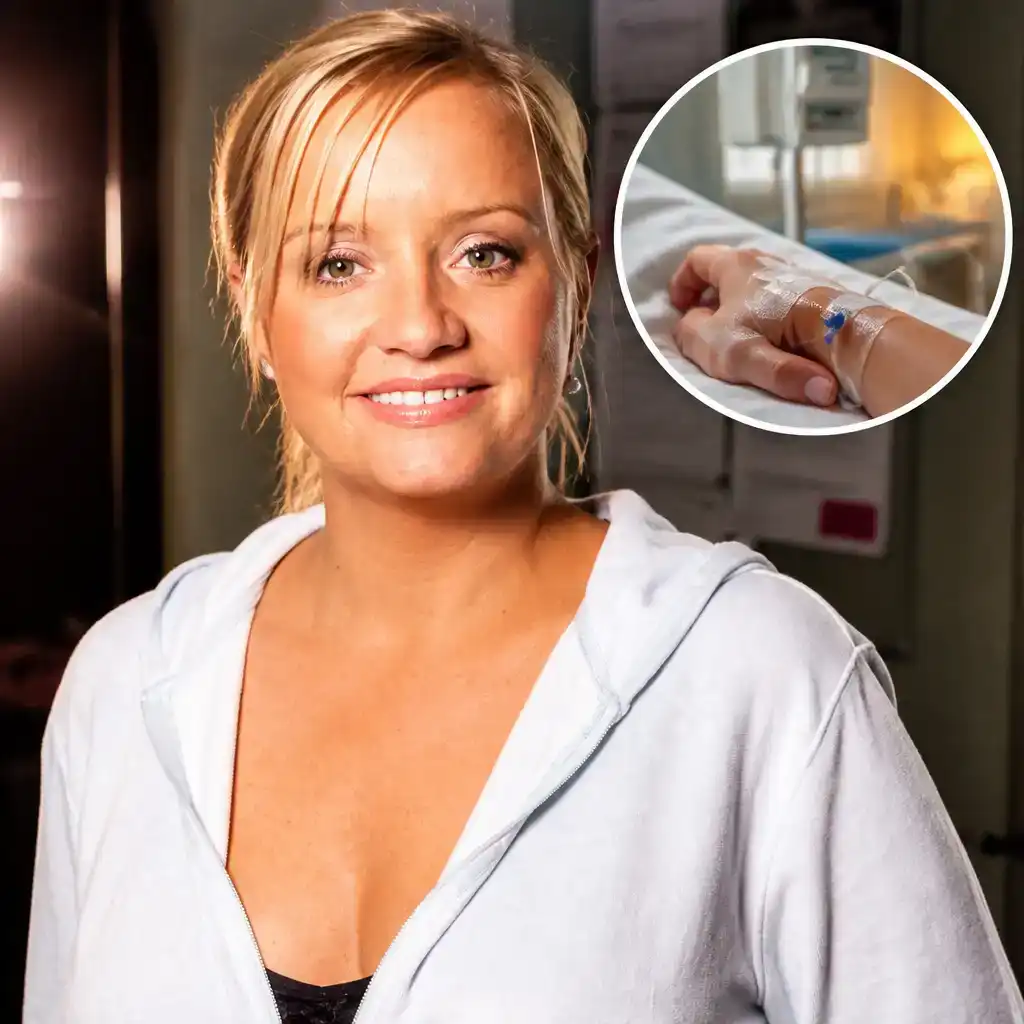
Lucy Davis has disclosed that she has stage 4 breast cancer, saying the disease has spread to her bones and cannot be cured. The 53-year-old actor shared the diagnosis publicly on August 11, around 18 months after doctors identified the cancer.
Best known as Dawn Tinsley in the original British version of The Office, Davis said the disease has metastasized to her spine, right hip and ribs. Pain sometimes makes standing or walking for long periods difficult, and she occasionally uses a wheelchair.
What did Lucy Davis say about her diagnosis?
Davis had kept her illness private while receiving treatment. In an Instagram video, she appeared ringing a bell commonly used to mark the end of a course of cancer care.
“A year and a half ago I was diagnosed with Stage 4 Breast Cancer, which has metastasized to my bones,” she wrote. She described the cancer as “incurable, and too late for chemo.”
No further information about her prognosis, cancer subtype or treatment has been released. As of August 12, there had also been no new interview or family statement expanding on the announcement.
Some reports and social media posts have called the disease “terminal” or said it cannot be treated. That goes beyond Davis’s own words. She said it cannot be cured and that chemotherapy came too late, but she did not say she had stopped all treatment or give a timeframe for her illness.
The distinction is not cheerful, but it matters.
Why incurable does not mean untreatable
Stage 4, or metastatic, breast cancer means malignant cells have spread beyond the breast and nearby lymph nodes to other parts of the body. Bone is a common site of secondary breast cancer.
The American Cancer Society says doctors may manage metastatic disease using hormone therapy, targeted medicines, immunotherapy, chemotherapy or combinations of those treatments. The choice depends on factors including hormone-receptor status, HER2 status and specific genetic mutations.
Other measures can ease symptoms or reduce risks. Radiation, surgery and bone-strengthening medicines may help control pain, prevent fractures or address pressure on the spinal cord.
None of that reveals what care Davis received. She has not identified her cancer subtype or explained which treatment course ended before she rang the bell. Completing one course also does not necessarily mean that every form of care has finished, because cancer medicine rarely offers the public the convenience of a simple final scene.
UK health sources estimate that about 35,000 people live with secondary breast cancer. It remains incurable, although treatment can control the disease for years in some patients. Individual outcomes vary widely, so Davis’s post should not be turned into a prognosis she did not provide.
A tiny hard spot led to the diagnosis
Davis said the first sign was not a conventional lump but a small “hard spot” that she nearly decided not to have examined. She urged followers to seek medical advice about unfamiliar changes, however minor they may appear.
Her announcement also described the physical and mental strain of living with cancer. Humor, she said, has helped her retain a sense of normality. She asked friends and relatives to keep making fun of her and not reorganize every interaction around her illness.
“There’s nothing that will make you feel more unwell than being treated as if you’re unwell,” she wrote.
Davis said she is trying to enjoy her life and accept uncertainty rather than spend her time fearing it. “I’m not scared of whatever comes next. I’m at peace with it.” She also stressed that people facing cancer should be allowed to handle the experience in their own way.
Davis plans to keep acting and campaigning
The actor said she remains willing and able to work, calling acting one of the “biggest joys” of her life. She also intends to continue supporting animal rights.
Davis became widely known through The Office, appearing alongside Ricky Gervais and Martin Freeman. Her later credits include Shaun of the Dead, Wonder Woman and Netflix’s Chilling Adventures of Sabrina.
The diagnosis follows other serious health problems. Davis has type 1 diabetes and previously experienced kidney failure, receiving a kidney donated by her mother.
No attributable public response from Gervais, Freeman or other prominent former colleagues had emerged by August 12. For now, the only account that carries weight is Davis’s own: the cancer is incurable, her mobility can be limited, and she still wants to work, laugh and be treated as herself rather than as a diagnosis.