Elon Musk’s trillionaire status survived less than two weeks, according to Bloomberg data, after a broad technology sell-off dragged down the market value of SpaceX and Tesla. The Bloomberg Billionaires Index, updated daily at 17:30 in New York, or 22:30 BST, valued Musk’s fortune at $957 billion, around £727 billion, on Tuesday. That was down from $1.11 trillion less than 14 days earlier. A small adjustment, then, if the unit of measurement is a national budget.
Despite the decline, Musk remains the world’s richest person by a wide margin. The change is less about personal hardship and more about how quickly paper wealth can move when it is concentrated in a small number of high-growth companies.
How SpaceX Made Musk A Trillionaire
Musk crossed the 13-figure threshold on 12 June, when SpaceX made its public market debut on the Nasdaq exchange. The rocket and satellite company’s initial public offering was priced at $135 per share, then opened at $150 when trading began.
That debut valued SpaceX at more than $1.77 trillion. Musk owned roughly 42% of the company, so the listing immediately lifted his estimated net worth beyond $1 trillion. The figure was not cash in a bank account, unless banks have become much more interesting. It was mostly equity value, calculated from the market price of shares he owns.
Investor enthusiasm built quickly after the IPO. By 16 June, SpaceX shares had climbed to a peak of $225.64, pushing Musk’s total net worth to an estimated high of $1.32 trillion.
Why The Valuation Fell So Quickly
The rally did not hold. Technology stocks fell broadly as investors questioned the long-term profitability of artificial intelligence, particularly after heavy spending on AI infrastructure and data centres became harder to ignore. Persistent interest rates also added pressure, raising the cost of capital for companies whose valuations depend heavily on future growth.
The sell-off hit major technology names including Nvidia, Intel, and AMD. SpaceX, however, took a particularly sharp hit. Its shares fell more than 30% from their mid-June peak, trading around $156 after the correction.
The largest single swing came on Monday, 22 June, when SpaceX dropped 16% in one session. Bloomberg’s estimate put the damage to Musk’s personal balance sheet at roughly $240 billion that day alone. That is the kind of number that makes even financial terminals pause for breath.
Tesla Added To The Pressure
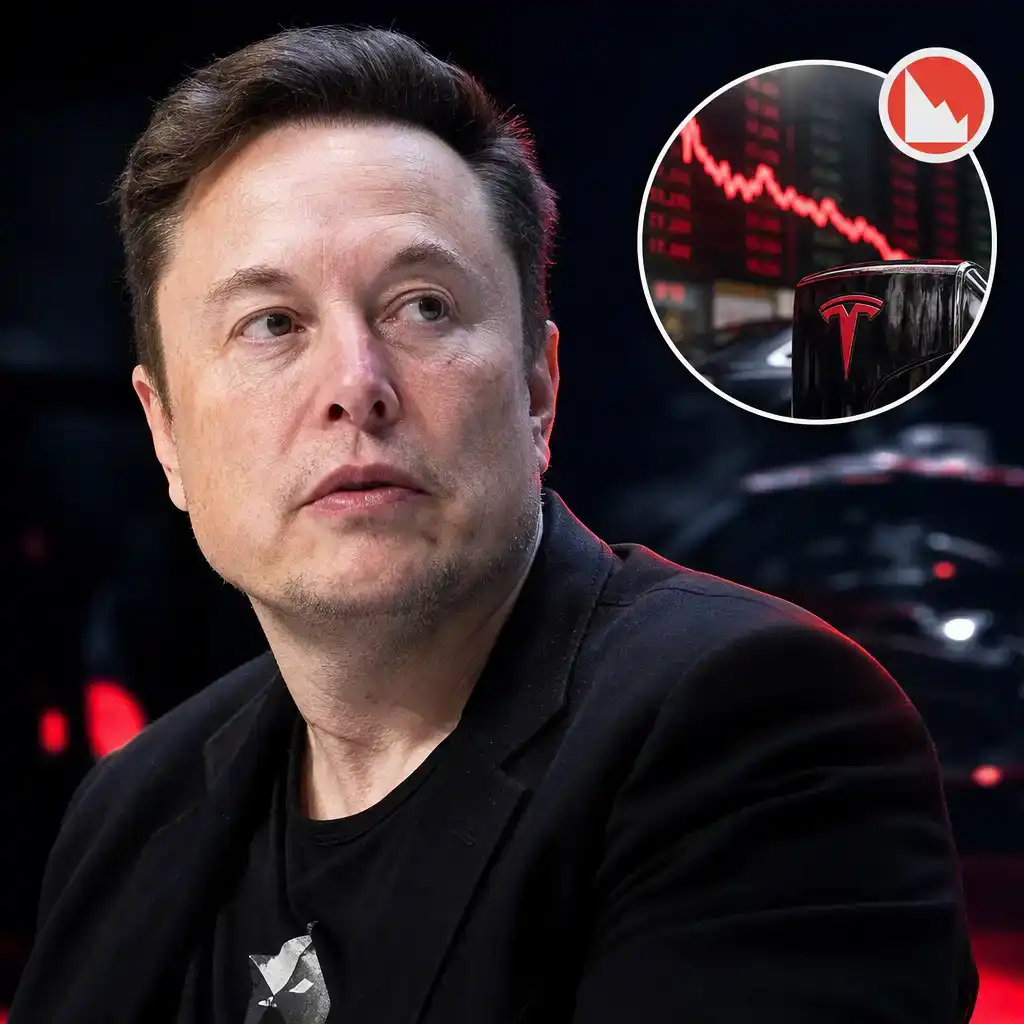
The decline was not limited to SpaceX. Tesla shares fell nearly 6% the following day, adding another drag on Musk’s estimated fortune. Musk owns about 12% of Tesla’s outstanding shares, so even a mid-single-digit move in the electric vehicle maker has an outsized effect on his net worth.
The point is concentration. Musk’s fortune is not spread across a wide portfolio in the way many ultra-wealthy investors structure their assets. It is overwhelmingly tied to two companies:
- SpaceX, which accounts for nearly 80% of his total net worth
- Tesla, where he holds about 12% of outstanding shares
This structure magnifies both gains and losses. When SpaceX surged after its IPO, Musk’s wealth estimate moved at extraordinary speed. When the stock pulled back, the reverse was just as efficient. Markets can be very democratic in that unpleasant way.
Analysts call it normal volatility, just on a huge scale
Market analysts have stressed that sharp post-IPO moves are not unusual for highly valued growth companies. Newly listed shares often swing as investors test assumptions, early enthusiasm cools, and the market tries to work out what a fair price should be. The difference here is the size of SpaceX and the size of Musk’s stake.
Danni Hewson, head of financial analysis at AJ Bell, said the stock’s early movement appeared to reflect the emotional pull of the company’s ambitions as much as conventional valuation work.
“For a stock like SpaceX, a lot of decision making might have been emotional and based on the anticipation of huge leaps forward in space exploration and utilisation, but investing should be something treated with clear eyes and patience, even when such huge numbers are involved,” Hewson said.
That is the market’s problem in plain terms: investors are weighing SpaceX’s long-term promise in launch services, satellites, and space infrastructure against the very immediate question of earnings, cash demands, and valuation discipline.
Why Musk Could Regain The Title Soon
Further pressure may come in late July, when restrictions are due to lift and company insiders will be able to sell shares in stages. If more shares become available, the stock could face additional selling pressure. That does not guarantee another drop, but it adds another moving part to a market already recalibrating quickly.
The threshold, however, remains close. Bloomberg’s figures suggest that a recovery of about 6% in SpaceX shares would be enough to push Musk’s fortune back above $1 trillion.
So Musk may not be finished with the title. He may simply become the world’s first recurring trillionaire, which is a phrase nobody particularly needed but the market has apparently chosen to workshop anyway.