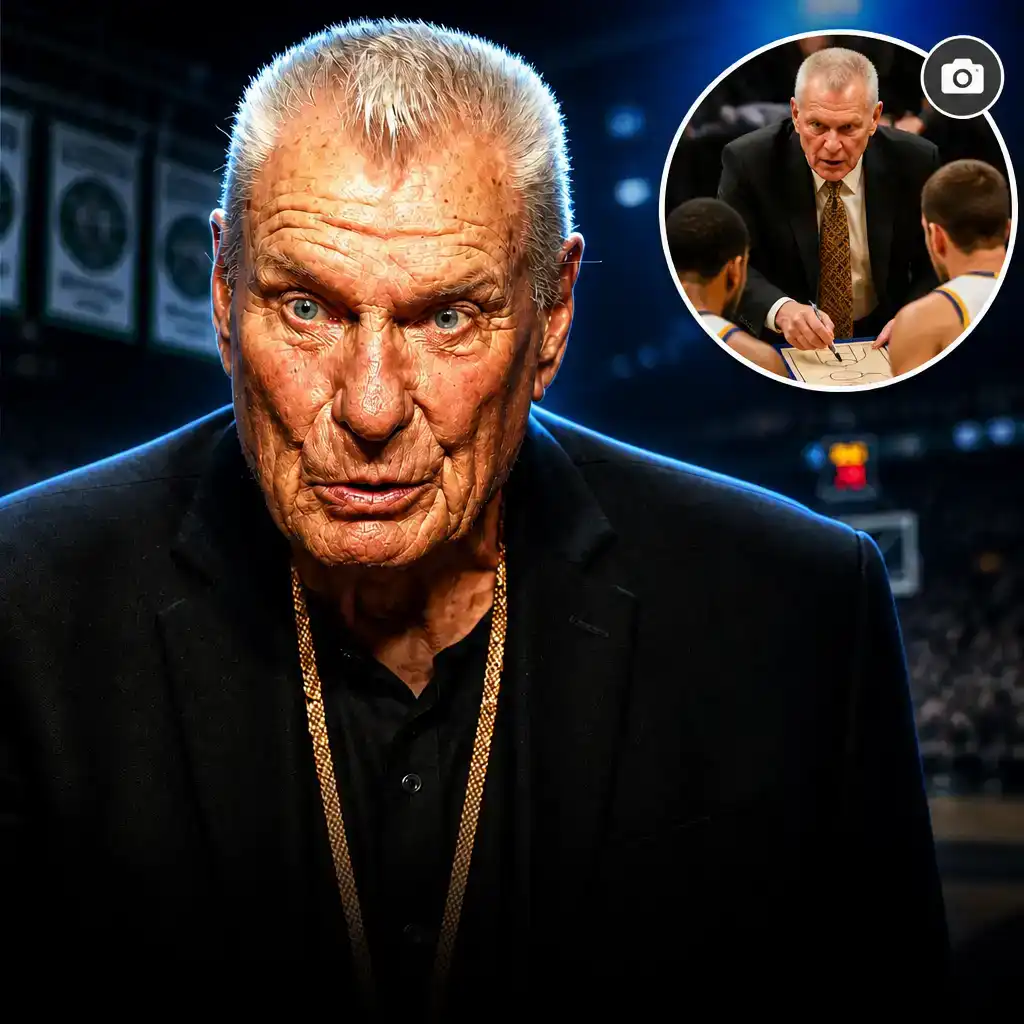
Don Nelson dies at 86 after a career that stretched across nearly five decades of NBA history and helped drag basketball toward the faster, smaller and more flexible game now considered normal.
His family said the Hall of Fame coach and five-time champion as a player died peacefully on Sunday, surrounded by relatives. No cause of death was disclosed, and as of Monday, August 10, the family had not announced funeral or memorial arrangements.
“Throughout his last week, friends and family encircled him with love, sharing the blessing of his friendship and revisiting treasured memories,” the family said.
Nelson retired in 2010 with 1,335 regular-season coaching victories, then the NBA record. San Antonio Spurs coach Gregg Popovich later passed him and finished with 1,390, leaving Nelson second on the all-time list.
How “Nellie Ball” anticipated the modern NBA
Nelson coached for 31 seasons with the Milwaukee Bucks, Golden State Warriors, New York Knicks and Dallas Mavericks. He never won a championship as a coach, but judging his influence only by rings would miss much of what made him important.
His teams played quickly, used smaller and more athletic lineups, and treated traditional positions as suggestions rather than binding regulations. The approach became known as “Nellie Ball.” Today, the league calls much of that pace, spacing and positional flexibility standard procedure. Apparently, unconventional ideas become respectable once everyone copies them.
The San Francisco Chronicle reported that roster limitations in Milwaukee helped push Nelson toward positionless basketball. He later brought those ideas to Golden State, including the high-scoring Run TMC teams built around Tim Hardaway, Mitch Richmond and Chris Mullin.
Across his coaching career, Nelson produced 13 seasons with at least 50 victories. Two of those teams reached 60 wins, one with Milwaukee and another with Dallas. He was named NBA Coach of the Year three times.
NBA Commissioner Adam Silver described Nelson as a coach defined by “fearlessness, ingenuity and deep conviction,” adding that his influence would continue for generations.
Why the 2007 Warriors remain part of his legacy
Nelson’s most famous postseason achievement came during his second spell with Golden State. His 2007 “We Believe” Warriors entered the playoffs as the Western Conference’s eighth seed and faced a 67-win Dallas team that Nelson had previously coached.
Golden State won the series, becoming the first No. 8 seed to defeat a No. 1 seed in a seven-game NBA playoff format. The upset demonstrated exactly why Nelson’s approach could be so difficult to handle: speed, unconventional matchups and lineups designed to make a more traditional opponent uncomfortable.
The Warriors said Nelson “was a true basketball visionary who saw the game differently and was never afraid to challenge conventional thinking.” The franchise credited his methods with helping shape basketball for later players and coaches.
Sports Illustrated has also traced elements of the modern NBA’s pace-and-space style to Nelson’s systems. He did not invent every feature of contemporary basketball, but he helped show that smaller lineups and players with overlapping roles could succeed long before the league fully embraced the concept.
Nelson’s coaching record included two Golden State tenures, from 1988 to 1995 and from 2006 to 2010. He also led Milwaukee from 1976 to 1987, New York during the 1995-96 season and Dallas from 1997 to 2005.
Nelson also had an eye for transformative talent
Nelson’s influence extended beyond tactics. Dallas entered the 1998 NBA Draft focused on German prospect Dirk Nowitzki. The Milwaukee Bucks selected Nowitzki ninth overall before trading him to the Mavericks as part of Dallas’s draft maneuvering, which also helped produce Steve Nash.
Nowitzki developed into a star during seven seasons under Nelson. He later won the NBA Most Valuable Player award, led Dallas to the 2011 championship and entered the Naismith Memorial Basketball Hall of Fame in 2023.
“Nellie... You believed in me,” Nowitzki wrote after Nelson’s death. “You saw things in my game before I ever realized I could do them.” He added that his career could not have developed the same way without Nelson giving him the freedom to play his own style.
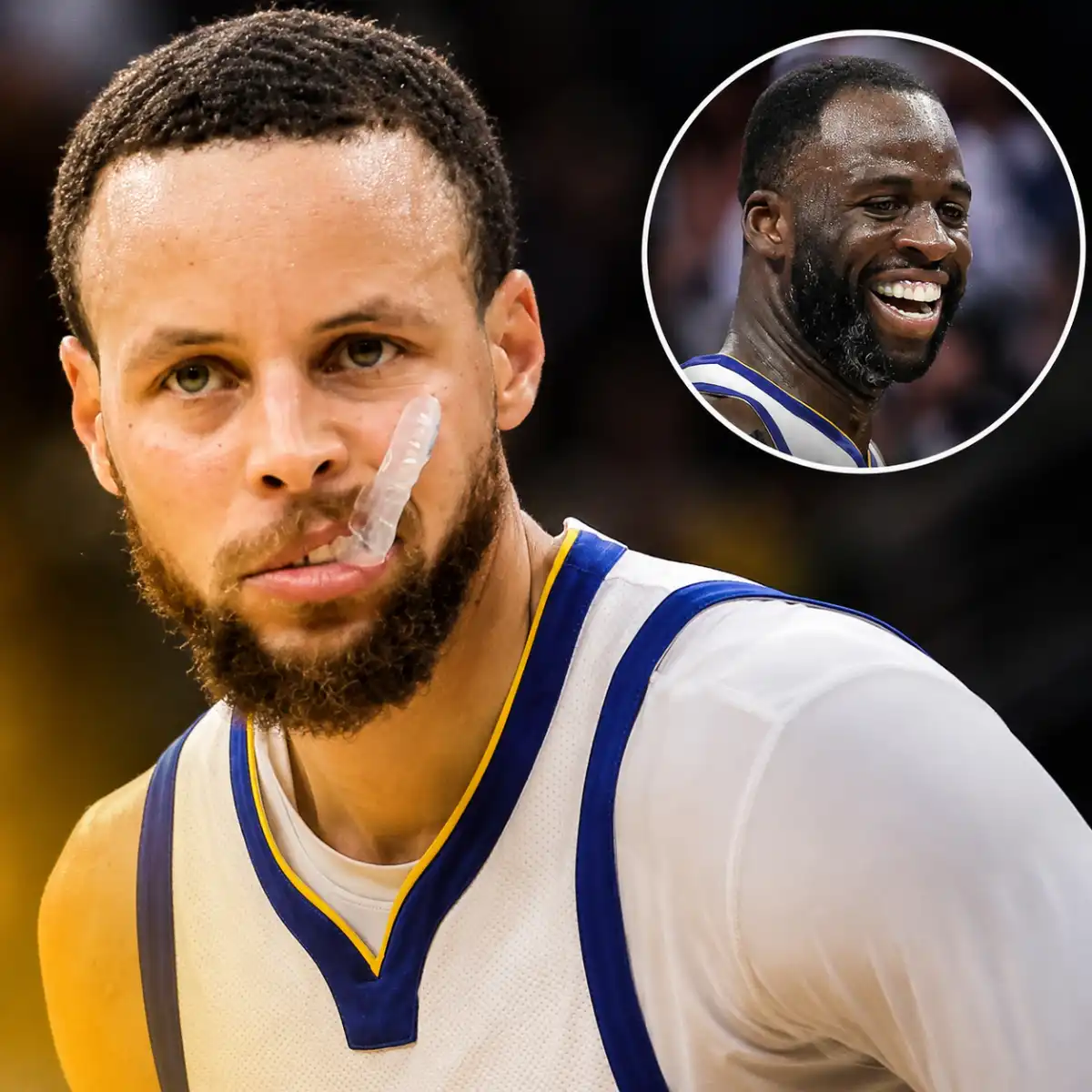
Nelson’s talent instincts also mattered in Golden State. He supported the Warriors’ decision to select Stephen Curry with the seventh pick in the 2009 draft, one year before Nelson retired. Curry would become central to a dynasty built around shooting, spacing and smaller lineups, all concepts Nelson had spent years pushing into the league’s collective consciousness.
Nelson was inducted into the Basketball Hall of Fame as a coach in 2012.
Before coaching, Nelson won five Celtics titles
Nelson played 14 NBA seasons in total, including 11 with the Boston Celtics. The NBA’s official records list him as the 17th overall selection in the third round of the 1962 draft, not the third overall pick as some initial reports stated.
He began with the Chicago Zephyrs in 1962-63, spent two seasons with the Los Angeles Lakers and then joined a Boston roster filled with established stars. Nelson became a dependable contributor across two championship eras, winning five titles with the Celtics.
Boston described him as “a tough and reliable all-around player” whose ability to think through the game helped those championship teams. During the 1967-68 season, he was one of seven Celtics to average double figures in scoring. He posted career highs of 15.4 points and 7.3 rebounds per game in 1969-70.
In 134 playoff appearances, Nelson averaged 11.1 points and 4.8 rebounds. The Celtics retired his No. 19 jersey in 1978.
Before entering the NBA, he played three seasons at Iowa, averaging 21.1 points and 10.9 rebounds across 72 games.
His final public appearances stayed true to form
Nelson received the Chuck Daly Lifetime Achievement Award in 2025 for his contributions to basketball. During his acceptance, he wore Luka Dončić shoes and called Dallas’s trade of Dončić a “tremendous mistake,” according to ESPN. Retirement had apparently not reduced his willingness to tell the league when he thought it had done something foolish.
He made another public appearance shortly before his death, receiving the Naismith Legacy Award with four generations of his family present, according to the Dallas Mavericks.
Nelson leaves behind a record that goes beyond his 1,335 coaching victories, five championships as a Celtics player and three Coach of the Year awards. His larger contribution was proving that basketball did not have to be played according to inherited conventions.
Smaller lineups, versatile players, rapid tempo and freedom for unconventional talents now define much of the NBA. Nelson spent decades arguing for that future, usually by putting it on the court before everyone else was ready.