Casey Affleck’s Oscars night ended with an Academy Award, a forgotten list of thank-yous and what he described as mild trauma. Speaking at the Zurich Film Festival on Monday, the actor and director revisited that disorienting 2017 victory while also discussing Christopher Nolan, his brother Ben Affleck and his latest film, Company, which remains a work in progress despite already premiering in Venice.
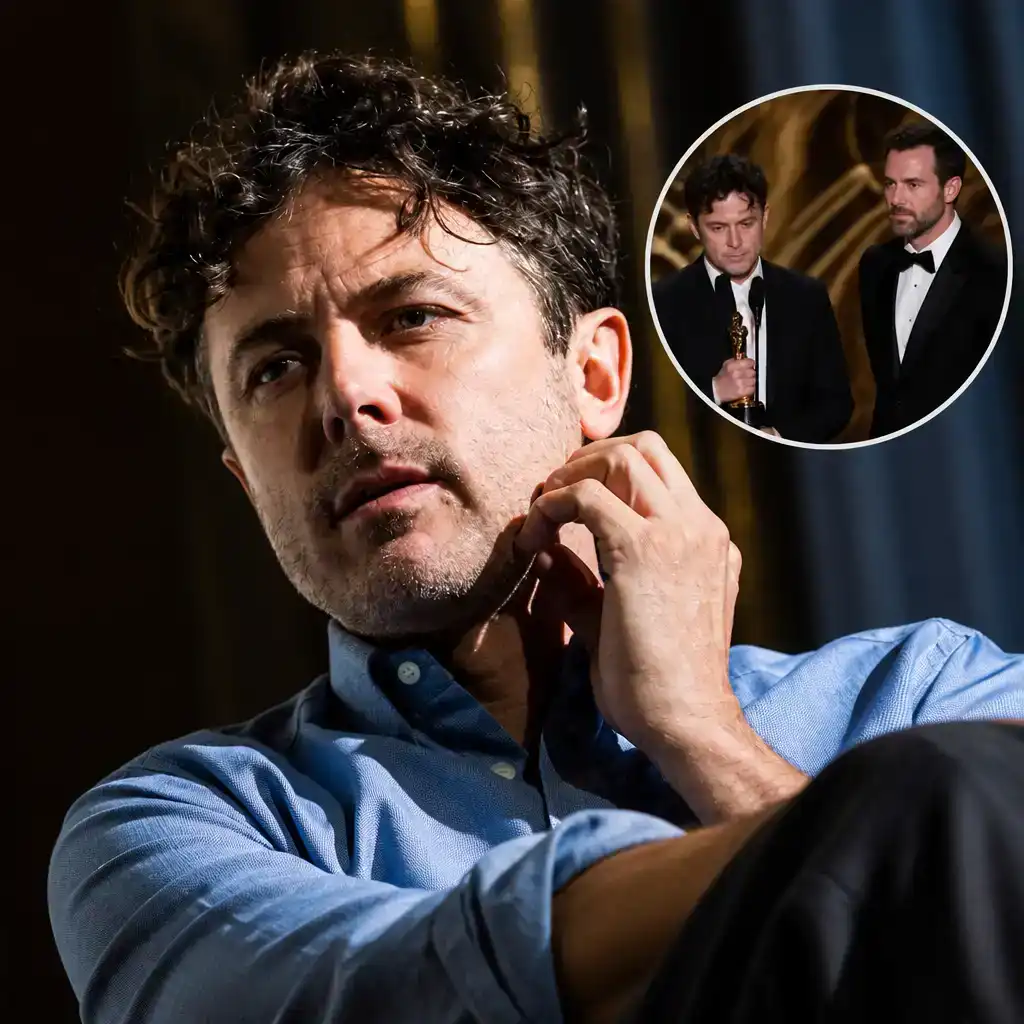
Affleck won best actor for Kenneth Lonergan’s Manchester by the Sea, but he had expected Denzel Washington to take the prize for Fences.
“It was a terrifying moment to have to stand on that stage,” he said. “I can’t remember anything I said.”
Why did winning the Oscar unsettle him?
Affleck remembered leaving several important people out of his acceptance speech, including Lonergan and his own children, who had encouraged him to make the film and supported him throughout production.
“It was mildly traumatic,” he said.
Relief arrived backstage in the form of Leonardo DiCaprio, who was waiting in the wings. Affleck said he was still caught in “a moment of terror and disorientation” when DiCaprio laughed and gave him a large hug. That, apparently, was more useful than another trophy-night speech.
The experience fed into Affleck’s broader view that actors have less control over their careers than the industry likes to suggest.
“There’s an illusion of choosing the path you want to be on,” he said. “The path is choosing you.”
For him, the job involves mistakes, rejected auditions, disappointing performances and watching other actors receive roles he wanted. The advantage is that none of those unpleasant feelings need to go entirely to waste.
“The thing about being an actor is that you can take all your hard feelings with you and make something with it,” he said. “It’s the best part of the job.”
What did Casey Affleck say about Christopher Nolan?
Affleck has worked with Christopher Nolan on Interstellar and Oppenheimer, and described being on the director’s sets as markedly different from working elsewhere.
“He’s inclusive, and gives minimal but brilliant directions,” Affleck said. “He elevates everyone around him.”
That admiration did not stop Affleck from making what he now considers an ill-advised phone call. While driving home from school with his son, the two began disagreeing about Tenet. Rather than checking Reddit, as people with less impressive contact lists must do, Affleck called Nolan directly.
They asked a question whose answer, once Nolan explained it, seemed painfully obvious. Affleck said he felt embarrassed and has not called the filmmaker since. Nolan has not called him either.
“Maybe he will call now and ask me about my movie, Company: ‘What were you thinking?!’” Affleck joked.
Having directed three films himself, Affleck said he admires Nolan for making enormous, commercially successful projects without appearing to shape them simply around audience expectations. Nolan, he suggested, follows subjects that genuinely interest him.
“If I can do that, I’d be lucky,” he said.
How has Ben Affleck influenced his thinking?
Affleck also pointed to his brother, Ben Affleck, as someone who chooses projects intelligently without surrendering every creative decision to market calculations.
“Ben’s smart about making his films successful, but he’s not pandering,” he said.
He has heard his brother wonder whether he will personally like an idea, rather than whether it can be sold. That distinction matters to Casey, who said he does not approach his own work with a conventional career strategy. He added that this was not intended as a “humble brag”; he simply would not know where to begin building such a plan.
Affleck has long been described as an outsider in Hollywood, including in a 2016 Variety cover story. At first, the label irritated him because it appeared likely to follow him regardless of his achievements.
Then he reconsidered.
“I don’t want to be ‘an insider’ in Hollywood,” he said. “It’s not a great culture. I don’t love the films made there or the system.”
Public perceptions are difficult to change, he added, but in this case he decided the supposedly negative description was closer to a compliment.
Why did Affleck cast his family in Company?
Affleck’s anthology film Company brings his professional and personal lives unusually close together. It features his mother, his partner and his sons, along with Nick Nolte, Ben Mendelsohn, Adelaide Clemens and Scoot McNairy.
His relatives were not exactly campaigning for screen time. Affleck recalled his son Atticus agreeing because production fell during spring break, presenting the decision as if he were granting his father a substantial favor.
More surprising was what happened on set: Atticus followed his directions without arguing, which Affleck said is not typical of their relationship.
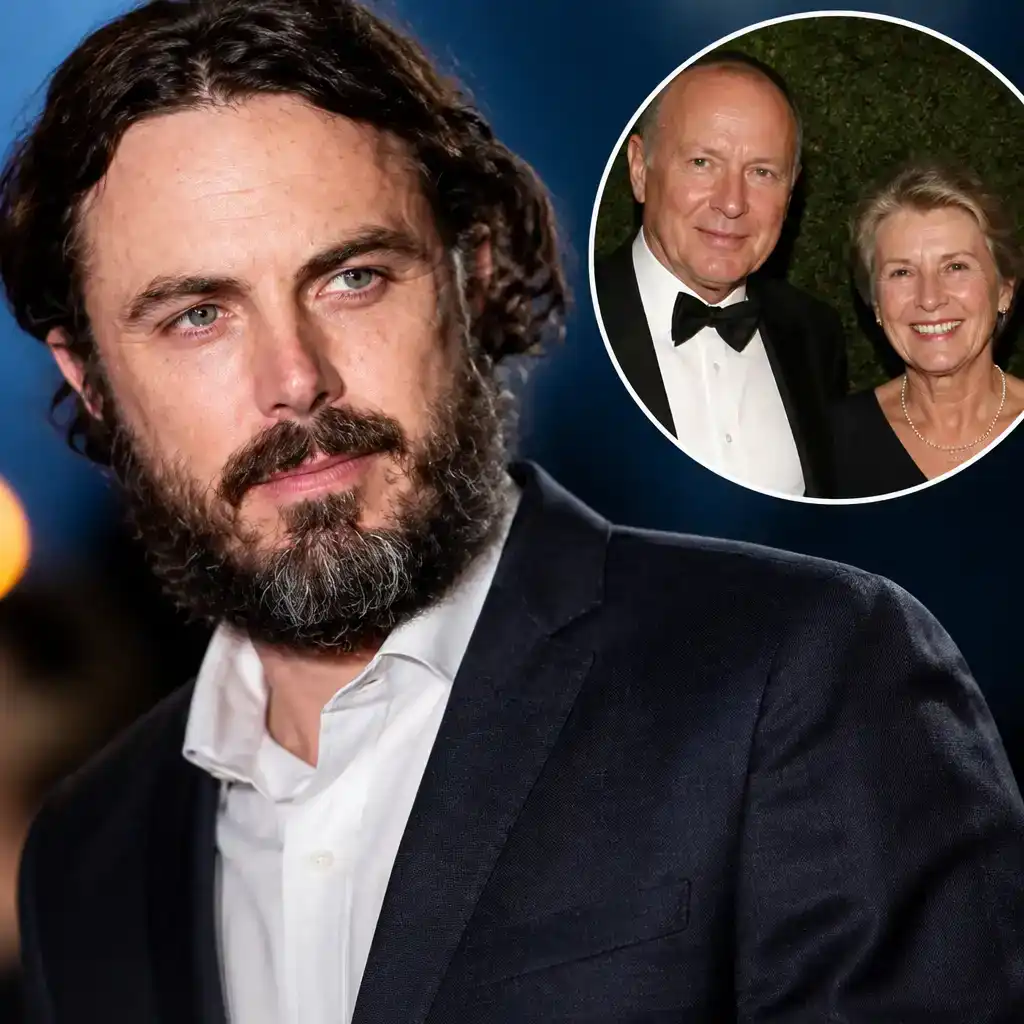
Affleck’s parents died before they could see the completed film, though he dedicated it to them. Their deaths reinforced his desire to include friends and relatives in future projects rather than repeatedly leaving them behind for shoots.
“I would rather just work with the people I love,” he said. “I highly recommend it.”
He also praised Nolte’s continuing commitment to acting, joking that the veteran performer appeared to be 130 because Affleck could not remember a time when he was absent from films. More seriously, he admired Nolte’s vulnerable portrayal of someone approaching the end of life, especially in an industry crowded with performers in their 20s, 30s and 40s.
Why is Company still unfinished after Venice?
Although Company had its world premiere at the Venice Film Festival, Affleck does not regard that version as final. He brought the film to audiences while still considering changes, treating the festival screening partly as an opportunity to gather reactions.
“I thought: Maybe a film festival can be a place where people share their work with the community, get feedback and then finish it?” he said.
That approach comes with obvious risks. Most directors prefer to present a polished final cut rather than publicly screen something they still intend to adjust. Affleck acknowledged that showing unfinished work was frightening, but said there were elements he wanted to change.
The decision fits his resistance to treating filmmaking as a tidy career ladder. His path has included major studio productions, small independent dramas, directing projects and roles he did not get. Rather than pretending those setbacks were part of an elegant master plan, Affleck described them as raw material.
For now, Company remains open to revision. The Venice premiere was therefore less a final unveiling than a very public test screening, only with formalwear and considerably more scrutiny.